
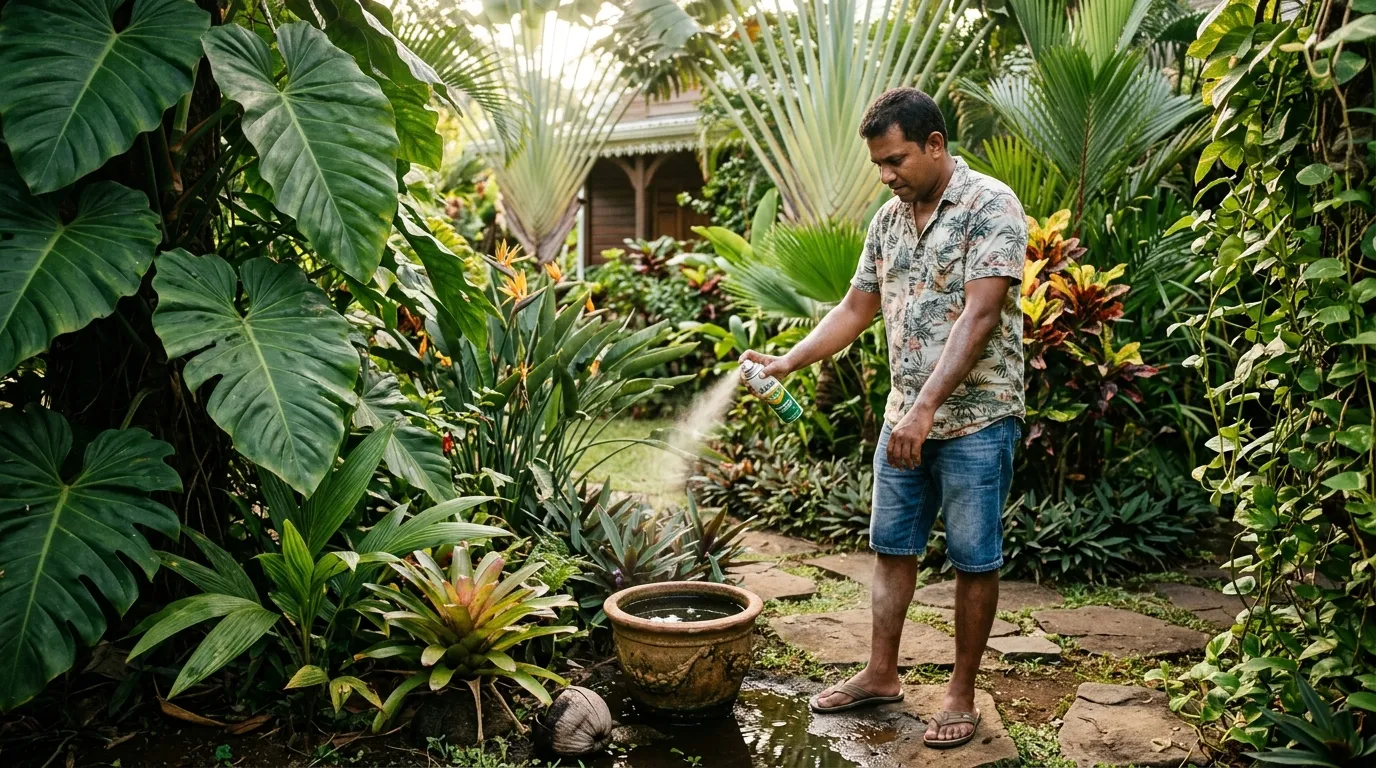
In Mauritius, the threat is real. Dengue and chikungunya are circulating on the island and can affect both residents and visitors.mauritiusassembly.govmu.org)
The good news is that protection relies mainly on simple actions, repeated every day, because Aedes mosquitoes bite mainly during the day and develop around stagnant water.
Why the risk remains very real in Mauritius
According to a parliamentary response dated May 11, 2026, the Ministry of Health recorded 2,816 local cases of chikungunya, 1 local case of dengue fever, and 6 imported cases, all of which had recovered by that date. The WHO had already reported in September 2025 that Mauritius had the highest number of chikungunya cases in the African region.
THE Revised official dengue prevention plan for Mauritius It is worth noting that Aedes albopictus is abundant and widely present on the island, that its population is maintained throughout the year and that transmission can reappear periodically as soon as a virus is reintroduced.
As highlighted the WHO fact sheet on dengue, The risk often increases during and after the rainy seasons, when heat, humidity, and stagnant water promote mosquito breeding.
Dengue or chikungunya: how to distinguish between them at home?
At home, it's important not to attempt a definitive diagnosis. Both infections cause fever and pain, and only a blood test can confirm a viral origin.cdc.gov)
According to the WHO fact sheet on chikungunya, Severe joint pain is more suggestive of chikungunya, while dengue fever more often presents with signs of severity such as bleeding, abdominal pain, or vomiting. This difference helps guide diagnosis but never replaces testing.
Quick comparison table
| Criteria | Dengue | Chikungunya | Key points to remember |
|---|---|---|---|
| onset of symptoms | Most often 4 to 10 days after the bite. | Most often 4 to 8 days after the bite, sometimes up to 12 days. | The time frame helps to guide the process, but it is not sufficient to reach a conclusion. |
| Dominant table | Fever, headache, pain behind the eyes, muscle aches, nausea, rash, fatigue. | Sudden fever, severe joint pain, joint swelling, fatigue, sometimes rash. | Severe joint pain is more suggestive of chikungunya.cdc.gov) |
| Warning signs | Abdominal pain, persistent vomiting, bleeding, difficulty breathing, drop in blood pressure. | Severe forms exist but remain rarer, with a higher risk in infants, the elderly and frail patients. | Bleeding and abdominal pain are signs of an emergency. |
| Confirmation and care | The diagnosis is based on a blood test, and there is no specific antiviral treatment. | The test is mainly virological in the first week, then serological, with rest, hydration and paracetamol if necessary. | Avoid self-medicating with aspirin or ibuprofen until dengue fever has been ruled out.who.int) |
If you live in Mauritius, also plan your healthcare journey in advance with the Mauritian health system, Guide to hospitals and clinics in Mauritius And Health insurance tailored to expatriates. It's best to know in advance where to go for medical help if a fever develops.
Everyday preventative measures
For both dengue and chikungunya, the most effective prevention remains the same: reduce mosquitoes around the house and limit bites during the day.
Reduce mosquito breeding sites around the house
- Empty saucers, buckets, vases, tires and any container capable of holding water once a week.
- Keep water tanks closed and check gutters, drains and wet areas around the house after rain.
- Regularly dispose of waste that can collect water, such as cans, plastics, or broken pots.
Protect yourself from bites during the day
- Wear covering clothing during the day, especially at sunrise and in the late afternoon, when Aedes mosquitoes bite the most.
- Apply a repellent to exposed skin or clothing, strictly following the product instructions.
- Install mosquito nets on windows and doors, and use a net during naps or daytime sleep periods.
If a family member has a fever
- Strengthen protection against mosquito bites during the first week of symptoms, as a sick person can then infect other mosquitoes.
- Watch for signs of bleeding, persistent vomiting, abdominal pain, or difficulty breathing.
If you are unsure which facility to contact, the medical emergency services in Mauritius provide useful information to help you react without wasting time.
What to do in case of fever or suspicion?
- Rest and hydrate regularly with water, broth or a rehydration solution, as dehydration quickly worsens the general condition.
- Use paracetamol if advised by a healthcare professional, then avoid aspirin, ibuprofen and other anti-inflammatories until dengue is ruled out.
- Keep yourself away from mosquitoes throughout the feverish phase to avoid fueling the chain of transmission.
- Seek prompt medical attention if fever is accompanied by abdominal pain, vomiting, bleeding, shortness of breath, marked weakness, or severe joint pain.
Vaccines: what you need to know
Dengue. According to the WHO, Currently, only one vaccine is available for prevention, with use recommended in certain high-transmission settings among children aged 6 to 16. CDC Dengvaxia is reserved for children aged 9 to 16 who have already had dengue confirmed by test, and it is not recommended for travellers.
Chikungunya. Vaccines exist in some countries, and the CDC A vaccine is available in the United States for certain travelers aged 12 and over. However, the WHO has not yet issued a global recommendation, and worldwide availability remains limited. In other words, it should not be assumed that a chikungunya vaccination is available or recommended in Mauritius without local verification.
In practice, recommendations and vaccine availability are evolving, so it remains essential to verify the exact indication with a healthcare professional before relying on vaccination.
FAQ
What are the symptoms of dengue and chikungunya in Mauritius and how to distinguish them at home?
Both diseases often begin with fever and aches and pains, so distinguishing between them at home can be difficult. Dengue fever more often causes headaches, pain behind the eyes, nausea, a rash, and, in severe cases, bleeding or abdominal pain. Chikungunya is primarily characterized by very pronounced, sometimes prolonged, joint pain. Because the symptoms overlap, a blood test is necessary for confirmation.
How to protect yourself on a daily basis against mosquitoes that carry dengue and chikungunya in Mauritius?
Protection rests on three pillars: eliminating standing water, avoiding bites, and reacting quickly if someone becomes ill. Empty water containers weekly, wear protective clothing during the day, use a suitable repellent, install mosquito nets, and close openings if possible. Aedes mosquitoes bite mainly during the day, so vigilance must be constant, not just in the evening.
Is there an effective dengue vaccine available for residents or visitors to Mauritius?
Dengue vaccines exist, but they are not used as a standard travel vaccine. The WHO recommends Qdenga in specific contexts of high transmission, while the CDC reserves Dengvaxia for children already infected and living in areas where dengue is common. The CDC does not recommend this vaccine for visitors. In Mauritius, eligibility and local availability must therefore be verified on a case-by-case basis.
Is the risk of dengue and chikungunya in Mauritius higher during the summer months or during a particular season?
The risk increases particularly during and after the rainy season, when heat, humidity, and stagnant water create breeding grounds for mosquitoes. In Mauritius, the official plan also reminds us that the vector is present year-round, so there is no completely risk-free season. In practice, summer and the wetter periods require heightened vigilance, but preventative measures should remain consistent throughout the year.
What are some simple steps to take on a daily basis to reduce mosquito bites in a family in Mauritius?
The most effective actions are simple and repetitive: empty any standing water weekly, protect windows, wear long clothing during the day, apply insect repellent, and sleep under a mosquito net if necessary. Within a family, it's also important to remember to sort waste, clean plant pots, gutters, and toys left outside. The more these habits become automatic, the lower the risk for all members of the household.
And now ?
If you are preparing to arrive or settle in Mauritius, also take the time to review your access to healthcare and your health insurance coverage with our benchmarks on the Mauritian healthcare system And Choosing health insurance for expatriates. To continue your preparation with EXPAT MAURITIUS, start by the homepage of EXPAT MAURITIUS.