In Mauritius, good food is part of the trip.
If you are looking where to eat in Mauritius (street food, markets, restaurants, good "local" spots and more refined options), this guide helps you to eating in Mauritius without wasting time: what to taste, where to find it, how to choose according to your budget and how to avoid unpleasant surprises.
The context is also very dynamic: the island has hosted 1 382 177 tourists in 2024 (against 1 295 410 in 2023), which has strengthened the restaurant offerings in the busiest areas.statsmauritius.govmu.org)
Understanding Mauritian cuisine (and why the food is so good)
Mauritian cuisine is a deliberate mix of Indian, Creole, Chinese, and European (particularly French) influences. As a result, one can easily move from one curry to meatballs steam, of a rougaille to stir-fried noodles, then to a tropical version of a French-style pastry.en.wikipedia.org)
In a single week, you can eat: fish or octopus Creole style, Indian snacks (dholl puri, farata), Sino-Mauritian dishes (bol renversé, noodles frites) and typical desserts (napolitaine, coconut cakes).en.wikipedia.org)
Street food in Mauritius: what to try (and how to enjoy it stress-free)
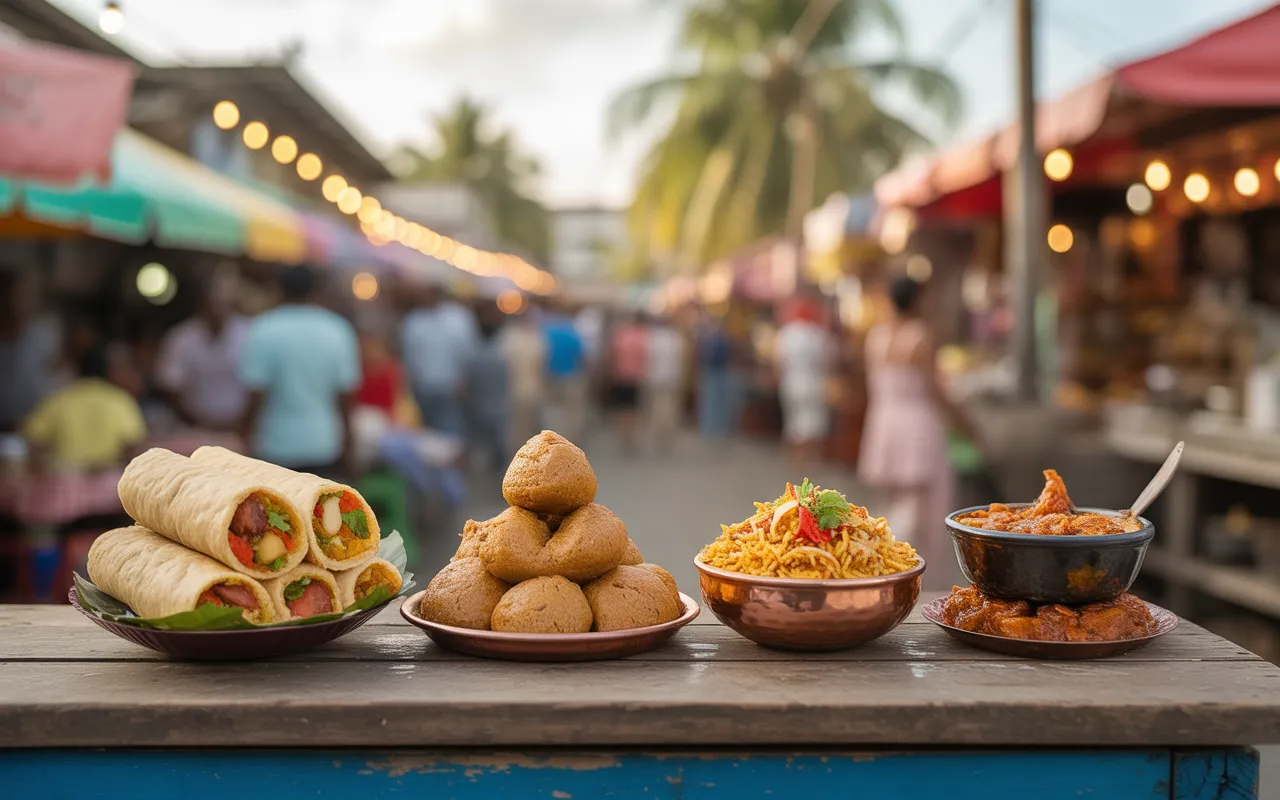
Essential items to order at least once
- Dholl puri A thin, filled pancake (with split peas), often served with curries, chutneys, and pickles. It's one of the stars of Mauritian street food.fr.wikipedia.org)
- Roti / farata : more "flaky", practical if you like more substantial wraps.en.wikipedia.org)
- Chili pepper cakes : legume fritters, perfect for a snack (often spicy).citynary.com)
- Samosas : snack easy to find, often at the entrance to markets and around schools (be careful, some are very spicy).
- Meatballs : small steamed dumplings (fish, chicken, vegetables) served in broth, very popular with Chinese influence.
- Fried noodles / Stir-fried noodles: the quick “comfort food” when you want a hot and complete meal.
- Upside-down bowl : rice + stir-fried garnish, flipped just before serving (a classic Sino-Mauritian dish).en.wikipedia.org)
- Briyani (or Mauritian biryani): very present during weekend meals and family events (remember to check the spice level).
- Alouda : a sweet, milky drink (often with basil seeds), ideal if you like dessert drinks.en.wikipedia.org)
“They are always sold in pairs.”
This little rule of the dholl puri is often mentioned in travelogues; an article from The Guardian (2018) also gave an indicative price of 14 rupees at the time, to be taken as historical landmark (Prices vary depending on inflation, location, and seller.)theguardian.com)
Where to find the best street food atmosphere (by area)
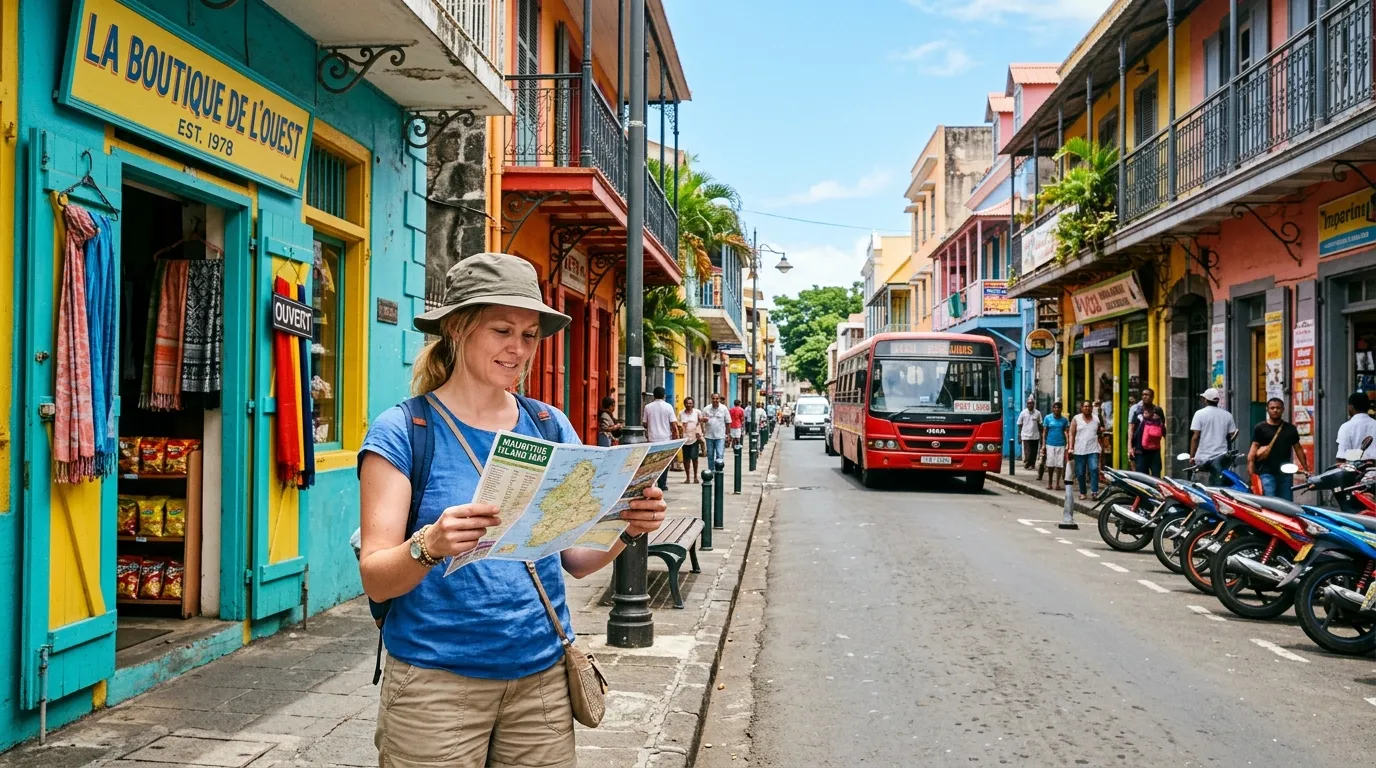
In Mauritius, people eat a lot in “snacks” (small shops), on the markets and around the transport hubs / city centers. The idea is not just “where”, but When The best stalls sell out quickly, especially in the morning.
- Port Louis : a sure bet for trying several specialties at once, especially around the Central Market (central market). Some websites indicate typical opening hours Monday–Saturday 5am–6pm And Sunday 5am–12pm, However, please check locally as opening hours may change (public holidays, events).holidify.com)
- Quatre Bornes / Rose Hill : very “local”, ideal for eating on the go and comparing several dholl puri vendors.
- Central-East (Flacq) : renowned market and a good option if you are staying near Belle Mare / Trou d'Eau Douce.
- South (Mahébourg) : a more relaxed atmosphere, very pleasant for a snack and then a walk.
- North (Grand Baie) : more touristy, but convenient if you are looking for a varied evening offering (snacks + restaurants).
Restaurants in Mauritius: how to choose according to your style (and avoid tourist traps)
“Mauritian” restaurants: Creole, curries, rougaille & grilled meats
If you want to try typical dishes served "at a table", look for menus with: rougaille, vindaye, curry, octopus, fish, chutneys, pickles. Family-run restaurants are often the simplest… and the most memorable.
Table d'hôtes: the best option for home-cooked meals
THE communal dining (Meals with locals) are an excellent way to discover more "everyday" cuisine: recipes passed down through families, seasonal produce, and conversations that help you understand the island. This format is ideal if you are traveling slowly or are still settling in.
Sino-Mauritian restaurants: dumplings, noodles, upside-down bowl
When you want a hot, quick and comforting meal, Chinese-inspired restaurants are a very common choice among Mauritians: meatballs, fried noodles, sauces, woks, etc.en.wikipedia.org)
Hotel restaurants: experience, setting, (often) reservation
Hotels sometimes offer excellent gastronomic experiences (setting, wine cellar, service). Good to know: to book (especially on weekends and during peak season), and ask if the restaurant is open to outside customers.
How much does it cost to eat in Mauritius? (budget, taxes, benchmarks)
It's difficult to give a single price, as everything depends on the location (Port Louis vs. seaside resort), the type of establishment (snack bar vs. hotel), and the season. However, here are two useful guidelines:
- VAT at 15% It applies to many goods and services. Depending on the establishment, it may be included in the displayed price or appear on the invoice.mra.mu)
- Inflation : in 2024, the “headline” inflation published by Statistics Mauritius is 3,6% (against 7,0% in 2023), which is a reminder that prices have changed in recent years (including in the restaurant and food sectors).statsmauritius.govmu.org)
In practice, street food often remains the best value for money (especially at lunchtime), while seaside and hotel restaurants are more to be considered as a experience.
Practical guide: where to eat in Mauritius according to your preferences
| Type of place | Perfect for | To order | Indicative budget | Good reflex |
|---|---|---|---|---|
| Snack / street food | Eat quickly and typically | Dholl puri, roti/farata, chili cakes | € | Choose a stand with high turnover (products that sell quickly). |
| Market (morning) | Taste + buy spices/fruit | Samosas, juice, fruit, condiments | € | Go early to avoid the heat and the rush |
| Local family restaurant | A “real” sit-down meal | Curry, rougaille, fish/octopus | €€ | Ask about the chili level before ordering |
| Sino-Mauritian restaurant | Comfort food | Dumplings, noodles, upside-down bowl | €€ | Trying a broth + a dish: a very common combination |
| Hotel restaurant | Setting, service, special occasion | Tasting menu, seafood, pairings | €€€ | Book and check taxes/service on the bill |
Practical tips for eating well (hygiene, chili peppers, payment, opening hours)
Hygiene: simple rules (especially for street food)
Most travelers eat very well in Mauritius, but basic precautions are still useful. The WHO summarizes universal reflexes with its “Five keys to safer food”Keep clean, separate raw/cooked, cook thoroughly, maintain at the correct temperature, use safe water/raw materials.who.int)
In practical terms, to eat in peace: favor busy stalls, choose prepared foods nice and warm, Avoid sauces that have been left in the sun for a long time, and keep a hand sanitizer handy when you are doing several tastings in a market.
Chili peppers: how to ask for “not too hot”
In Mauritius, “pimenté” can range from “a little spicy” to “very hot”. Don’t hesitate to say: “not spicy” Or “a separate chili pepper”. Often, chili peppers can be served to you separately (sauces, pickles, chili paste).
Payment, bill, taxes
Many places accept cards, but street food and some snacks mostly operate on cash. Keep small bills on hand. And remember to check the bill: the VAT is 15% (and some establishments also add a service fee).mra.mu)
Mini gourmet itineraries (easy to follow)
“Port Louis & Specialties” Day”
- Morning: central market + tasting (dholl puri / chili cakes) + spices to take home.
- Lunch: Sino-Mauritian dish (dumplings or noodles).
- Snack: local (Neapolitan) pastry + drink (alouda if you like sweet).
Day trip “North: beach + dinner”
- Lunch: quick snack (roti/farata) before the beach.
- Evening: seaside restaurant (fish, seafood) or more contemporary address in Grand Baie.
Day “South: more local, more peaceful”
- Morning: market (fruits, condiments) + snacking.
- Lunch: curry/rougaille in a family restaurant.
- Afternoon: stroll (the South is well suited to “no pressure” days).
Are you moving to Mauritius? Eating well also means being well-organized.
When you transition from travel to everyday life, the questions change: where to shop, how to find specific products, what eating habits to adopt, and how to choose a neighborhood that suits your lifestyle. To learn more, you can consult the expatriation guides Expat Mauritius (practical and designed for installation).
And if you are in the planning phase (visa/permit, housing, school, bank, etc.), you will find an overview of services on Expat Mauritius (support for expatriation to Mauritius).
FAQ – Eating in Mauritius (Frequently Asked Questions)
What street food should you try first in Mauritius?
Start with the dholl puri It's simple, very common, and representative of the Mauritian mix (galette + curries + chutneys/pickles). If you prefer something more "robust," have a roti/farata. For snacking, add some chili cakes or a samosa. The best plan is to go to a market in the morning: you can taste several things in small portions. And if you're worried about chili peppers, ask for them "on the side".fr.wikipedia.org)
Is it easy to eat vegetarian (or vegan) food in Mauritius?
Yes, it's generally easy, especially thanks to Indian influence: many snack bars offer vegetarian options daily (dholl puri, vegetable farata, legume curries). However, pay attention to the details: some dishes may contain butter, ghee, or non-vegetarian sauces depending on the location. The easiest thing to do is clearly ask for "vegetarian only" / "no meat, no fish" and choose stalls that cook in front of you.en.wikipedia.org)
How to avoid getting sick from eating street food in Mauritius?
Apply basic rules: clean hands, thoroughly cooked food served piping hot, and avoid anything that's been sitting around (exposed sauces, lukewarm buffets). The WHO recommendations (“Five keys to safer food”) summarize the best practices very well: cleanliness, separation of raw and cooked food, sufficient cooking time, proper temperature, and safe water. Add a practical tip: choose a stall with a high turnover (a long queue is often a good sign).who.int)
Do you need to book in restaurants in Mauritius?
For a snack bar or family restaurant, it's not essential. However, for popular restaurants in tourist areas (Grand Baie, Flic en Flac, Tamarin) and especially for hotel restaurants, it's best to book, particularly on weekends and during peak season. As tourism has increased (for example, +6.71% in arrivals in 2024 vs. 2023), some tables fill up quickly. The best approach: call in the morning for the evening, or book 24–48 hours in advance if you're aiming for a sunset spot.statsmauritius.govmu.org)
Is VAT included on restaurant bills in Mauritius?
The VAT (VAT) is 15%. Depending on the establishment, it may be included in the displayed price or added to the bill, and some also add a service charge. To avoid surprises, look for the mention “VAT included” (or ask before ordering if you have any doubt), especially in very touristy places or hotel restaurants.mra.mu)
And now ?
You have your food shortlist… and you might also be planning your life in Mauritius. To move forward more smoothly (settling in, administrative procedures, accommodation, daily routines), explore the available resources and contact the team via Expat Mauritius The goal is to save you time, with personalized support and a quick response.