
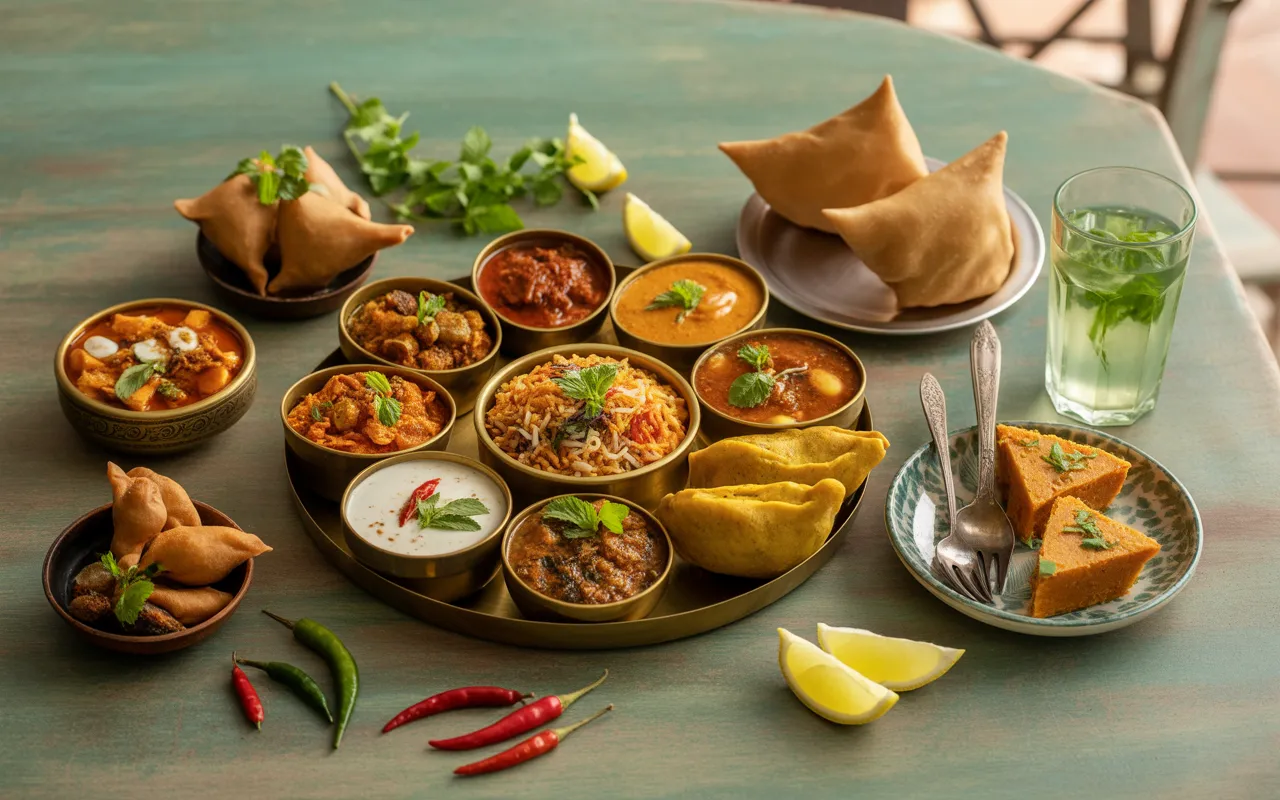
Mauritian food is a journey in itself.
If you're looking for what to eat in Mauritius, start with these 15 local specialties (Street food, "homemade" dishes, sweets and drinks): these encapsulate the island's culinary fusion, blending Indian, Creole, Chinese, and European influences. You will find here what to order, what to expect (spices, side dishes), and where to taste them simply, even if you have just arrived.
Note: the island also welcomes many visitors, with 1,382,177 tourist arrivals in 2024 (compared to 1,295,410 in 2023), which explains why the markets, “snacks” and local restaurants are so lively and varied. (statsmauritius.govmu.org)
What makes Mauritian cuisine unique (and very accessible)
Mauritian cuisine is often expressed in a specific format. “"take away"” Stuffed pancakes, stir-fried noodles, fritters, chili sauces, pickles, and broths. We eat on the go at the market, on the beach, or in a small restaurant. snack family.
Another useful indicator: meals are frequently accompanied by condiments (tomato rougaille, chutneys, achards, chili paste). So you can easily adjust the spiciness depending on your tolerance, by asking “not too spicy”.
Before ordering: 6 simple guidelines (spices, portions, local customs)
- Chili peppers are often "on the side". Taste first, then add.
- “Curry” = dish in spicy sauce (not necessarily very hot), often served with rice and side dishes.
- Street food ≠ small. A dholl puri "for two" or a bowl of noodles can make a real lunch.
- Easy vegetarian options. Dholl puri, vegetable farata, vegetable noodles, some legume curries.
- Common allergens. Peanuts, seafood, soy, gluten: clearly indicate if necessary.
- Markets = freshness + choice. Opt for stalls with high turnover (fast rotation) and quick cooking.
15 Mauritian dishes to try (with practical tips)
Summary table: what to taste according to your preferences
| Speciality | Kind | Spicy (indicative) | Where to find it easily |
|---|---|---|---|
| Dholl puri | Street food | Customizable (chili paste sold separately) | Markets, street vendors |
| Hot roti / farata | Street food | Modular | Snacks, markets |
| Mauritian Briani (briyani) | Complete meal | Often average | Caterers, family-style dining |
| Meatballs | Broth / snack | Mild to medium | Markets, food courts |
| Fried noodles | Stir-fried noodles | Mild to medium | Snacks, Chinatown (Port Louis) |
| Boiled mine | Noodles in broth | Mild (chili pepper aside) | Meatball stands, snacks |
| Sausage rougaille | Creole (tomato sauce) | AVERAGE | Daily specials, local restaurants |
| Vindaye fish | Creole (mustard/vinegar) | AVERAGE | Caterers, home, markets |
1) Dholl puri (the “must” of street food)
Often described as a local favorite, the dholl puri is a thin pancake (made from split peas) topped with curries, rougaille and pickles, usually sold in pairs. (holidays.mauritius.com)
Advice : Start without chili paste, then add it little by little. For a lively "culture & history" read about dholl puri, you can also check out this report. (theguardian.com)
2) Hot roti / farata (the softer and more indulgent flatbread)
Similar in spirit to the dholl puri, the hot roast (often called farata) is more “flaky” and generous. It rolls easily with a vegetable, chicken or fish curry, and is very good eaten on the go.
To try with: Bean curry, rougaille, achards.
3) Mauritian Briani (briyani)
THE Mauritian Briani It is a fragrant rice dish (often with potatoes, onions, and spices) served in large portions, sometimes prepared in a large cauldron. It is available in chicken, beef, fish, or vegetarian versions.
Ideal if: You want a complete and “comfort” dish, less dependent on spicy sauces.
4) Dumplings (steamed dumplings in broth)
THE meatballs These are steamed dumplings (with various fillings: shrimp, chicken, fish, tofu, etc.) often served in hot broth, sometimes with noodles. It's a convenient choice if you prefer a dish less fat that the fried food is easy to customize.
5) Fried noodles (stir-fried noodles, Chinese influence)
A staple snack, the fried noodles A mix of stir-fried noodles, vegetables, soy sauce and a protein of your choice (chicken, seafood, etc.). You can add a fried egg and a little chili pepper if you like.
Good reference point: It's a perfect gateway to Sino-Mauritian cuisine.
6) Boiled noodles (noodles in broth)
If you're looking for something lighter, the boiled mine is a very popular option: noodles served in an aromatic broth, with herbs, vegetables and sometimes meat or seafood.
Trick : ask for the chili pepper separately (“chili pepper next to”).
7) Mauritian fried rice (simple, effective, customizable)
THE fried rice (Mauritian style) is a classic everyday dish: fried rice, vegetables, egg, sometimes ham/chicken/prawns, with a touch of soy sauce. It's often the most "universal" option when you want to eat quickly and without any surprises.
8) Sausage rougaille (Creole, tomato, spices)
There sausage rougaille This is one of the best-known Creole dishes: sausages simmered in a fragrant tomato sauce (garlic, thyme, spices). Served with rice, lentils or vegetables, it is very popular as a "dish of the day".
Namely: The spiciness depends a lot on the cook and the added seasonings.
9) Fish Vindaye (mustard, turmeric, vinegar)
THE fish vindaye is a dish with a very distinctive character: it often includes mustard, turmeric, garlic, vinegar, and chili peppers. The result is both acidulous And spicy, Perfect for those who like bold flavors.
10) Chicken curry (the ultimate "homemade" curry)
THE chicken curry It's a classic family meal: chicken simmered with spices, onions, garlic, ginger, sometimes tomato, and often served with rice and side dishes. It's a good dish for understanding the basic "curry + rice + pickles" combination.
11) Cari ourite (octopus curry)
Very popular in some coastal regions, the ourite curry (Octopus) has a unique texture and a rich sauce. If you love seafood, it's a must-try at least once.
Advice : Start with a moderate level of chili pepper; the octopus “takes” the spices well.
12) Chili cake (the addictive snack)
THE chili cake (Small split pea and spice fritters) are a market favorite: crispy on the outside, soft on the inside. They're perfect for breakfast or as a snack, on their own or in a bread roll.
This specialty is one of the iconic street foods listed in selections dedicated to the island. (tasteatlas.com)
13) Mauritian samosa
THE samosa (samosa) is a fried triangle filled with various ingredients (potatoes, vegetables, chicken, fish, etc.), often served with chutney or chili sauce. It's very handy if you want a snack while visiting a market or waiting for your meal.
14) Alouda (a very popular cold drink)
L'’alouda It's a sweet, milky drink served very cold, sometimes with basil seeds, syrup, and ice (recipes vary). It's an excellent break if you've just eaten something spicy.
Trick : It's best to try it in the middle of the day, when it's warm, rather than at the end of a very heavy meal.
15) Napolitaine (the "easiest" Mauritian sweet to adopt)
There Neapolitan It's a shortbread biscuit (often pink) filled with jam and glazed. It's an easy-to-find and portable treat, perfect with tea or coffee.
Also worth trying (depending on the season and holidays): THE potato cake is another much-loved traditional sweet, often associated with celebrations like Diwali.
Where to easily taste Mauritian food (without tourist traps)
To discover local cuisine at the right pace, focus on three places: markets, neighborhood snacks And food courts. For example, the Flacq market is described as the largest open-air market on the island, with a real street food scene, particularly the Wednesdays and Sundays. (mauritiusnow.com)
- Markets : to taste several small portions and identify the most popular stalls.
- Snacks : perfect for fried noodles, broth, dumplings, farata, daily specials.
- Food courts : practice with family or colleagues (everyone chooses), especially in the city.
Local products to know about (and why they matter on your plate)
Understanding Mauritian food also means understanding the ingredients available locally: sugar cane, fish production, tropical fruits, spices, tea…
- Sugarcane: In 2023, sugarcane production reached 2,452,653 tonnes (up compared to 2022), which explains the frequent presence of sugary drinks and sweets in the food culture. (statsmauritius.govmu.org)
- Fish : Fish production has increased to 37,362 tonnes in 2024 (compared to 36,098 tonnes in 2023), which supports the important place of seafood dishes (vindaye, curries, grilled meats). (statsmauritius.govmu.org)
Expat tips: eating well every day while staying within your budget
Good news: in Mauritius, eating local food can be economical, especially if you alternate between home cooking, snacks, and markets. Moreover, according to the Household Budget Survey 2023, “Food and non-alcoholic beverages”" represents 25% of household consumption expenditure (most important part). (statsmauritius.govmu.org)
- Try “one dish per week”. This is the best way to tame spices and textures.
- Identify 2–3 reliable snacks near you (fast rotation, cooked to order).
- Learn 5 useful words: “no chili”, “chili on the side”, “veg”, “egg-free”, “no shrimp”.
- Accept the invitations. Shared meals are an accelerator of integration (and a masterclass in home cooking).
Frequently Asked Questions about Mauritian Food
What is the “national” dish of Mauritius?
There is no single official dish, but in practice, many Mauritians and culinary guides cite the dholl puri as the undisputed number one street food. It's very widespread, affordable, and comes in many variations (vegetable curries, rougaille, pickles, chutneys). On some culinary discovery pages, it's even presented as a local favorite, usually sold "in pairs". (holidays.mauritius.com)
Is Mauritian cuisine very spicy?
It can be, but above all it is modular. Many dishes are served with condiments on the side (chili paste, pickles, chutneys), allowing you to control the amount. If you're a beginner, start with options like boiled mine, meatballs Or fried rice, then gradually move on to more "sharp" dishes like the vindaye. Simply ask“not too spicy”"and taste before adding.
What can you eat in Mauritius if you are vegetarian?
You have many options, especially thanks to legumes and vegetable curries. dholl puri It is very easy to order in a vegetarian version (with bean curries, potatoes, chutneys and pickles). farata/roti It also comes with vegetable toppings, and the mines "Vegetables" exist in most snacks. As always, clearly specify "“egg-free”"if necessary, as egg is a common addition.
Where to find the best street food (without searching for a long time)?
The easiest thing to do is to go where Mauritians go: the markets and the neighborhood snacks. For example, the Flacq market is presented as a flagship location for atmosphere and street food, especially on the liveliest days (Wednesday and Sunday). (mauritiusnow.com) Choose stalls with a queue (quick turnover), visible cooking, and don't hesitate to take small portions to try several specialties (chili cake, dholl puri, noodles).
And now ?
Discovering Mauritian food is often the first step to feeling “at home” on the island. If you are preparing your move (visas/permits, accommodation, schools, banking, insurance, starting a business), Expat Mauritius can assist you with a personalized approach and comprehensive support. Start on the page Living in Mauritius: turnkey expatriation and real estate, then explore the expatriation guides to organize your arrival smoothly.