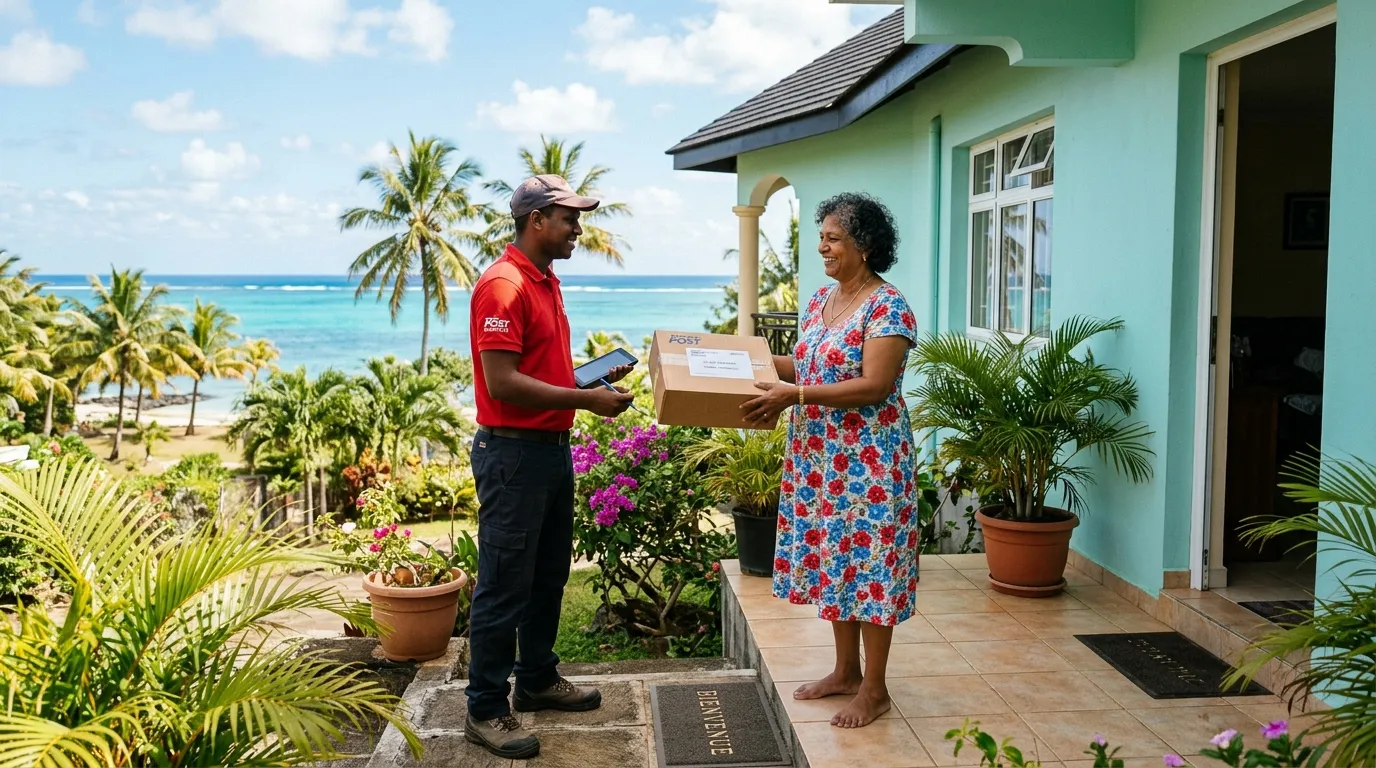
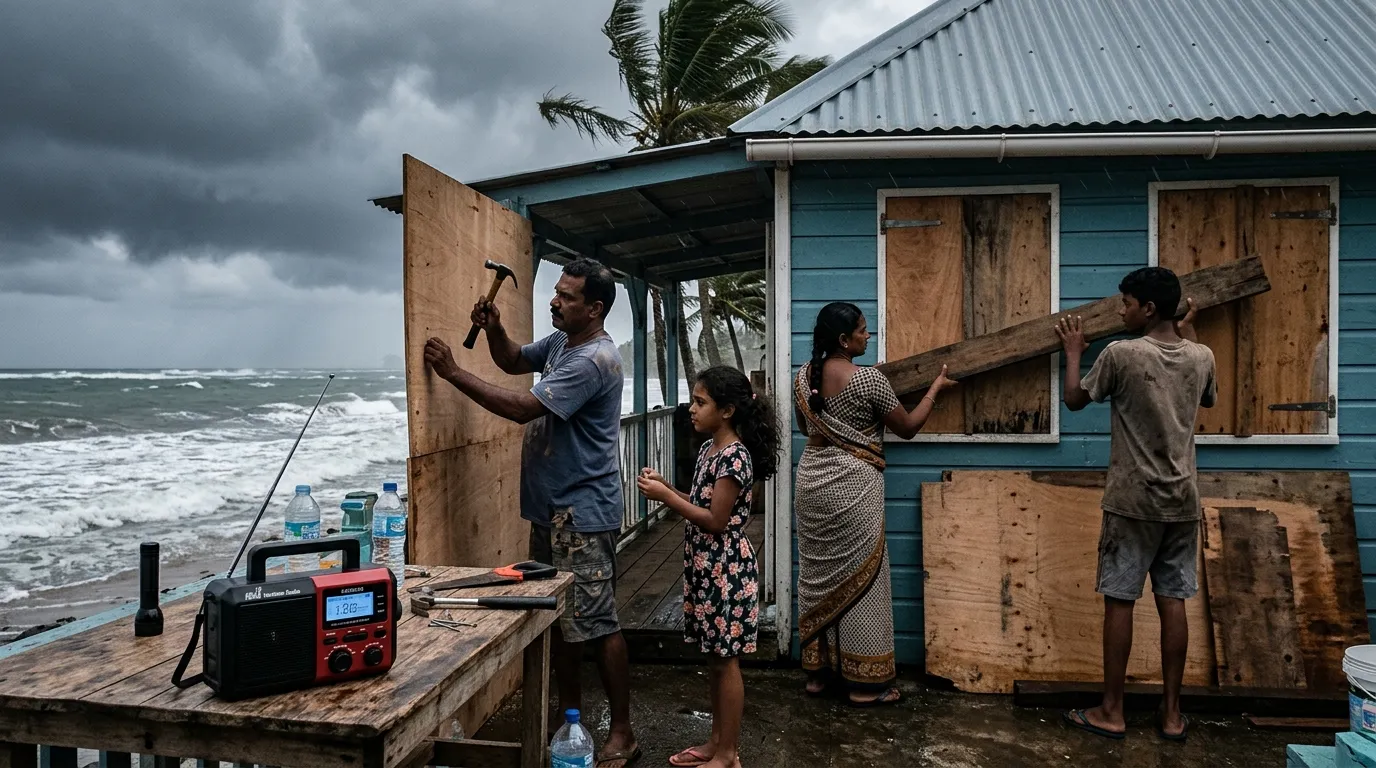
A cyclone is prepared for before it hits. In Mauritius, knowing the season, understanding the alert levels and securing your accommodation are essential reflexes from the moment you arrive.
If you are preparing for your arrival, also take the time to browse the complete guide to weather, rain and cyclones to link climate, housing and departure schedule.
When does the cyclone season start in Mauritius?
The official cyclone season extends from November 1st to May 15th. The NDRRMC also reminds us that the island is most exposed during the austral summer months, which makes it necessary to prepare accommodation before the first alerts.
To choose the best time to install, you can also cross-reference this calendar with the page about when to leave in 2026, especially if your arrival depends on a lease, a handover of keys or a construction project still in progress.
How does the cyclone warning system work?
The Mauritian system is based first on the level of risk, then on the time available before the gusts. Official bulletins are broadcast by radio and television, as well as by the Mauritius Meteorological Services, so they must be followed as soon as they change.ndrmc.govmu.org)
The alert code does not measure the size of the cyclone. It is used to tell you when to take shelter.
Quick overview of alert classes
| Alert | When it is issued | What this means | Housing reflex |
|---|---|---|---|
| Class I | 36 to 48 hours before the arrival of gusts of 120 km/h. | You still have time to finalize the preparations. | Put away lightweight items, check the shutters, follow the bulletins and prepare the emergency kit. |
| Class II | In order to leave, as far as possible, 12 hours of daylight before the gusts. | Conditions are tightening, we need to reduce travel. | Bring in the outdoor furniture, park the vehicle under cover and stay inside. |
| Class III | In order to leave, as far as possible, 6 hours of daylight before the gusts. | This is the last major window of opportunity to evacuate a vulnerable dwelling. Emergency shelters are normally open at this stage. | Close and reinforce openings, avoid flood-prone areas and seek shelter if your home is exposed. |
| Class IV | When gusts of 120 km/h are recorded and are expected to continue. | The danger is immediate. Damage to trees and structures can become serious. | Stay in the strongest part of the house, unplug appliances and protect yourself if the structure is damaged. |
| Safety bulletin | After a class III or IV, if the risk of strong gusts has decreased and the cyclone is moving away. | The bulletin lifts class III or IV and reports other weather or environmental risks after the cyclone has passed. | Do not resume travel until official instructions allow it. |
| End of bulletin | When observations confirm that the risk of cyclonic gusts has significantly decreased. | The external danger is receding, but the damage and the roads still need to be checked. | Wait until the official end before going outside to assess the damage. |
Hurricane bulletins are normally issued every 12 hours for Class I storms and every 6 hours for Class II, then more frequently when the cyclone is very close. When the power can be cut off, a battery-powered radio remains an excellent precaution.
Protecting your home before and during the alert
Before November, the best goal is simple: reduce anything that can move, break, or fly. The official page preparing for cyclones recommends checking the sturdiness of the roof and walls, trimming branches, protecting windows and clearing loose objects around the house.
Things to do before the season
- Check the roof, walls and roof overhangs. A well-sealed house is more resistant to gusts of wind and limits water damage.
- Trim the branches and remove any objects that could fly. Bins, lightweight furniture, tools and decorations must be put away before the season.
- Install shutters or protective coverings on the windows if possible. Openings are one of the most vulnerable points when the wind picks up.
- Identify the strongest point of the dwelling and the path to shelter. If the area is exposed to submersion or flooding, also anticipate the nearest high point.
- Notify your neighbors and check the vehicle. The NDRRMC advises identifying a safe location for the car and knowing the nearest evacuation center.
The emergency kit to keep ready
The kit is no substitute for a solid roof, but it helps prevent panic when the alert level rises. The NDRRMC specifically recommends a portable radio with batteries, a flashlight, drinking water, basic food supplies, protective clothing in bags, a first aid kit, essential medications, and basic repair tools.
- Portable radio with spare batteries.
- Lamp, torch or auxiliary lighting.
- Drinking water and easy-to-store food.
- Clothing, sturdy shoes and a first aid kit.
- Essential medications and troubleshooting tools.
From class I
- Secure lightweight items and fill the vehicle's fuel tank. Bins, garden furniture and other movable objects must be secured or brought inside.
- Check your water supplies and your kit. Class I is the time to control everything, not to start improvising.
- Prepare the shutters and window coverings. Official guidelines already encourage securing doors and openings.
Between class II and class III
- Bring in the outdoor furniture and stay inside. The NDRRMC also asks that children be kept at home or picked up if necessary.
- Close and reinforce windows, then move away from flood-prone areas. If your home is unsafe, do not delay in seeking shelter.
- Turn off the gas, electricity and water if you are evacuating. Also take with you the list of useful numbers and inform your relatives.
During class IV and the passage of the eye
- Stay in the sturdiest part of the house. Unplug the devices and keep the emergency kit with you.
- Do not confuse a calm eye with the end of danger. The return of strong winds can be sudden and come from the opposite direction.
- If the structure is damaged, protect yourself with blankets, a mattress or thick fabrics. This is a measure of last resort, not a solution of convenience.
Home insurance and cyclone claim management
The insurance sector is supervised by the FSC. In practice, this means you should read your policy before the season to check if cyclone and flood damage is covered, what the exclusions are, and what the deductible is. Coverage depends on the contract, not on a single rule that applies to everyone.
After a cyclone, take photos, keep receipts, note the date and time, and then report the claim as soon as conditions allow. Similar to press releases issued after cyclone disasters, the safest approach is to report quickly and keep clear evidence, without prejudging the final amount of compensation.fscmauritius.org)
- Conduct a room-by-room inspection as soon as the area is safe.
- Photograph the damage before moving anything.
- Keep your quotes, invoices and correspondence with your insurer.
- Follow the company's instructions if an expert assessment is requested.
If you are moving to Mauritius, which organizations should you follow?
If your arrival in Mauritius also involves residency, business registration, or diploma recognition procedures, plan ahead now. Visa, tax, and equivalency rules depend on each individual case, so it's essential to consider each situation individually and avoid automatic conclusions.
To link climate and installation, you can also read experience Mauritius all year round, especially if your arrival date coincides with cyclone season.
The 2025 public protocol stipulates that non-essential workplaces close from Class III onwards, with teleworking where possible. In other words, don't plan a last-minute application if a cyclone is approaching.blueconomy.govmu.org)
Organizations you need to know to avoid hindering your application
| Body | Concrete role | Pieces to prepare | Point of attention |
|---|---|---|---|
| EDB | Support for investment projects and business. | Project file, identity document and case-specific elements. | The EDB is a leading institution for investment, but the answer depends on the individual case. |
| CBRD and Registrar of Companies | Company registration and obtaining the Business Registration Number. | Name, legal form, registered address and incorporation forms. | The official FAQ still indicates a fee of Rs3,400 to incorporate a company, but the fees and documents are changing. |
| PIO | Visa, residence permit and occupation permit. | Form and documents specific to your status. | The PIO is the competent authority for immigration services, and the review remains linked to the case file.passport.govmu.org) |
| Civil Status Office | Birth, marriage, death certificates and other certificates. | Civil status and identity documents, according to the document requested. | Useful for families and everyday administrative tasks. |
| MRA | Tax obligations and online services. | Personal identification documents, declarations and supporting documents. | The official MRA portal remains the reference for monitoring your obligations.mra.mu) |
| NTA | Mobility and road transport. | Vehicle information, routes and transport services. | Recent public sources place the NTA within the national transport system.nlta.govmu.org) |
| MQA | Recognition and equivalence of qualifications. | Diplomas, transcripts, programs or documents requested depending on the application. | The MQA manages the national qualifications framework and equivalency applications.mqa.govmu.org) |
In this type of process, the best approach is to prepare digital copies, keep the originals dry, and submit your documents before the cyclone season if possible. If a Class III or IV storm disrupts the service counters, you'll already have the essentials on hand.
Frequently Asked Questions about Cyclones in Mauritius
When does the cyclone season start in Mauritius and which months are most affected?
The official cyclone season runs from November 1st to May 15th. In practice, the most vulnerable months are those of the southern summer, when the island is more exposed to tropical systems and heavy rainfall. This doesn't mean a cyclone is guaranteed every year, but preparations should be made before November. Ideally, for a new arrival, you should have a secure home, a ready-made emergency kit, and your documents backed up before the season begins.
What are the different cyclone alert levels in Mauritius and what does each level mean?
The official system includes classes I, II, III, and IV, followed by a safety bulletin and a termination bulletin. Class I allows more time for preparations, Class II tightens the timeline, Class III requires completing all necessary safety measures and moving to a shelter if the dwelling is unsafe, and Class IV corresponds to ongoing gusts. The safety bulletin lifts Class III or IV warnings, and the termination bulletin indicates that the danger has receded.
How to prepare for and protect your home in the event of a cyclone alert in Mauritius?
Start by securing windows, the roof, and anything else that could be blown away. Close shutters, bring in outdoor furniture, secure lightweight items, and keep water, a battery-powered radio, a flashlight, and essential medications within easy reach. If your home is fragile or prone to flooding, evacuate to a shelter or safe area as soon as the storm reaches Class II or III. The most important thing is to anticipate, not to improvise when the wind picks up.
Where can I find official weather reports and advice during a cyclone in Mauritius?
The two key resources to follow are the NDRRMC and the Mauritius Meteorological Services. The NDRRMC relays safety instructions, while the meteorological service publishes cyclone bulletins, forecasts, and monitoring information. In case of a power outage, a battery-powered radio remains useful, as the authorities remind everyone that radio and television are essential communication channels. If you have just arrived, remember to back up these resources before the season begins.
Does home insurance cover damage caused by cyclones in Mauritius and how do I claim compensation?
Coverage depends on your policy, its exclusions, and the deductible. Before the season, check in writing whether damage related to cyclones, wind, and water is included. After a claim, take photos, keep the receipts, and notify your insurer as soon as possible. The FSC oversees the industry, but the final compensation always depends on the case, the evidence, and the policy purchased. Therefore, you should never assume the amount you will be reimbursed in advance.
And now ?
If you are preparing for your arrival in Mauritius, transform the cyclone season into a simple organizational factor rather than a source of stress. Start by relying on EXPAT MAURITIUS, Then keep this guide in mind to secure your accommodation, your documents and your procedures at the right time.