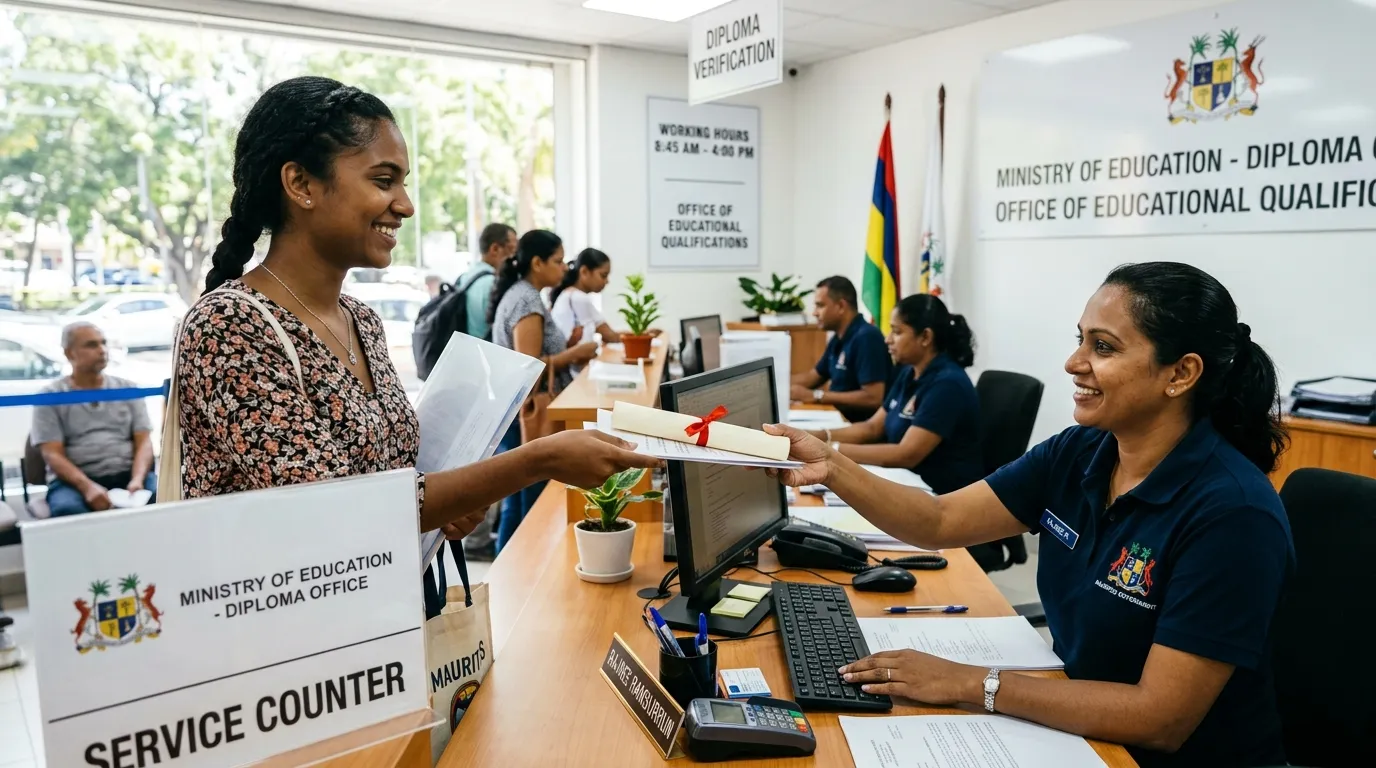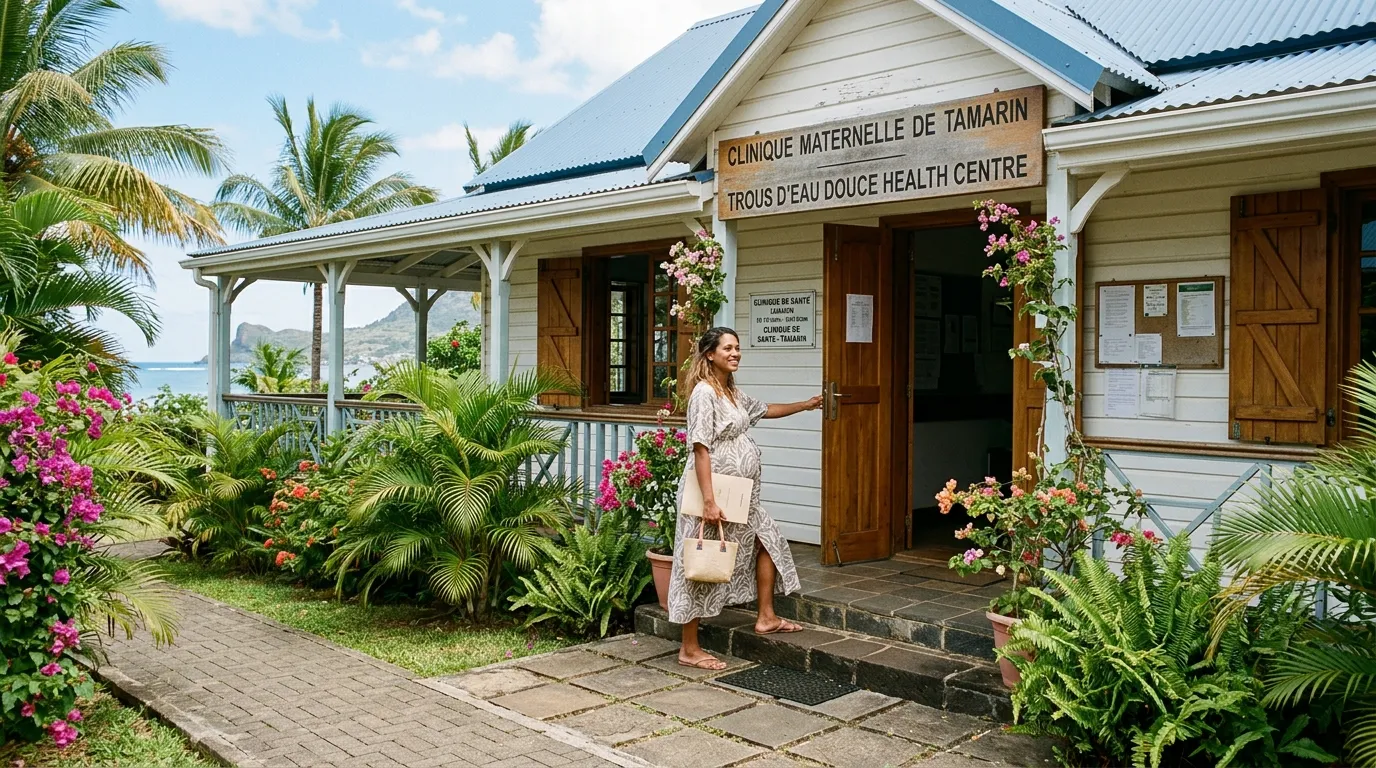
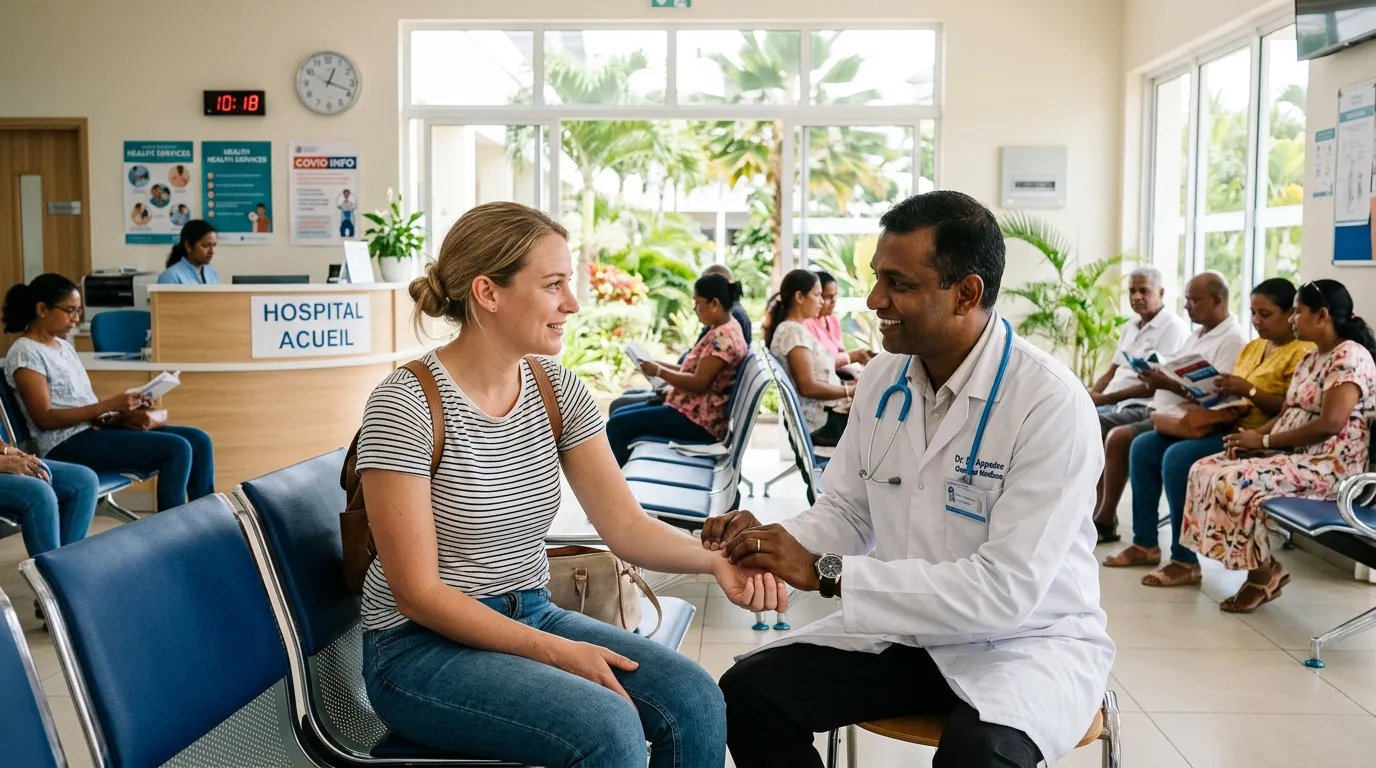
In Mauritius, health preparation begins before arrival.
The key point is simple: the public sector provides access to free healthcare, but private healthcare can quickly strain the budget. Researchers from Springer Nature point out that despite free access to the public sector, private spending accounted for 53.8% of total healthcare expenditure. For an expatriate, this completely changes the way they choose their insurance.link.springer.com)
Understanding the logic of the Mauritian healthcare system
In Mauritius, the choice isn't between a "good" and a "bad" system. Rather, it's between two complementary approaches: the public system for basic healthcare, and the private system for greater flexibility, comfort, and control over the medical journey. For an expatriate, the best approach is therefore to think in terms of... blanket, time limit And remaining balance.
The good news is that the Mauritian system is improving. The WHO indicated in March 2026 that primary healthcare centers increased from 147 to 268 between 2022 and 2024, reflecting a real effort to strengthen local access. However, the organization of care and the availability of practitioners can vary depending on the area and specialty.afro.who.int)
The public system: the basic healthcare knowledge
For an expatriate, the public sector is useful for routine consultations, basic healthcare monitoring, everyday emergencies, and many routine medical needs. It's also a reassuring option when trying to keep costs down over time.
In practice, the public system allows many residents to receive treatment without breaking the bank. The private system, on the other hand, becomes attractive when one wants greater comfort, flexibility, or faster organization.
The private sector: more freedom, but a cost to anticipate.
Private healthcare in Mauritius plays a significant role in the local ecosystem. It provides access to consultations, examinations, and treatment within a more flexible framework. It is often the preferred choice for expatriates who want to avoid long waiting times or who have recurring medical needs.
The framework is official and structured: the immigration office specifies that a medical visa is granted to foreigners coming to be treated in private institutions duly registered under the private health establishment regime. This clearly shows that the private sector is part of the Mauritian medical landscape, and not just a parallel market.passport.govmu.org)
The real issue for the expatriate is therefore not “public or private” in the theoretical sense. The real issue is: What level of comfort am I willing to finance if I need to consult quickly, be followed by a specialist, or be hospitalized?
Which health insurance should I choose when moving to Mauritius?
In most cases, expat health insurance should be considered a safety net, not a mere formality. The right policy depends on your length of stay, your age, your family situation, your medical history, and your travel style.
Criteria to check before signing
- Hospitalization, because a night in a clinic costs much more than a simple consultation.
- Specialist consultations, especially if you have regular follow-up appointments or children.
- Maternity, with particular attention to waiting periods.
- Emergency and assistance, so as not to advance large sums of money during a stressful time.
- Medical evacuation and repatriation, if you want to keep a transfer solution off the island in case of need.
- Coverage area, because local insurance and international insurance do not play the same role.
If you are also preparing the rest of your setup, the Practical guides for expats in Mauritius can help you to frame your budget and your procedures more broadly.
Which formula is right for which type of expatriate?
Quickly compare options
| Profile | Care logic | The most suitable insurance |
|---|---|---|
| Healthy young active person | Little care is needed, but a good safety net is essential. | Insurance with hospitalization, emergency and routine care |
| Family with children | Pediatrics, emergencies, more frequent follow-up | Broader contract with consultations, maternity and robust support |
| Retired or long stay | Regular medical follow-up, sometimes chronic | International insurance with comfortable coverage limits and evacuation plan |
| Temporary stay | Installation, identification of doctors and clinics | Temporary coverage, then arbitration between local and international |
This table is not intended to replace personalized advice, but it helps to avoid the classic mistake: taking out too light an insurance policy because the country seems “simple” at first glance.
Prepare well for your arrival from a health perspective
Before leaving, always check three things: waiting periods, exclusions, and how the insurer reimburses out-of-network care. The Ministry of Health and Welfare also indicates that some expatriates must follow a procedure for medical clearance with pre-arrival examinations and then, depending on the case, upon arrival. This step is part of the administrative and medical file and should be carefully planned in advance.health.govmu.org)
If you also want to identify the site's publisher, the page of website legal notices is accessible.
FAQ
What are the differences between the public and private healthcare systems in Mauritius for an expatriate?
The public system forms the basis of the healthcare system: it provides routine care, emergency services, and a large part of the medical journey, with little or no direct cost to the patient. The private sector, on the other hand, offers greater flexibility, comfort, and often more freedom in scheduling appointments, but at a higher cost. For an expatriate, the choice depends primarily on budget, desired level of care, and the need for speed.
Which international or local health insurance plans are recommended for an expatriate living in Mauritius?
International insurance is generally the most reassuring option if you're leaving for several years, if you travel frequently, or if you want the freedom to seek medical care outside of Mauritius. Local insurance can be suitable for a simpler situation, provided it offers good coverage and realistic limits. A good policy should cover, at a minimum, hospitalization, emergencies, and ideally, specialist care.
Is an expatriate in Mauritius covered by public health insurance or is it absolutely necessary to take out private insurance?
Public healthcare access exists and is invaluable, but it isn't always enough to ensure complete protection as an expatriate. In practice, many residents combine the public system with private or international insurance to better manage waiting times, convenience, and out-of-pocket expenses. It's not just about medical coverage; it's also about financial peace of mind.
Should repatriation insurance be added for medical treatment in Mauritius and in what situations is it necessary?
Yes, it's often a very good idea. It becomes particularly useful if you live with children, if you have regular medical checkups, if you travel a lot, or if you want to be able to be transferred to another country in case of a serious illness. On an island, having a medical transfer option provides real peace of mind and practical security.
How can I quickly access private healthcare in Mauritius in case of an emergency when I am an expatriate?
The best approach is to anticipate problems: identify facilities near your home in advance, keep your insurance card handy, and store your medical documents in a format that's easy to share. In an emergency, the goal is to get to the safest and closest care available, and then contact your insurance provider for assistance and reimbursement. Being prepared saves valuable time.
And now ?
If you are preparing to move to Mauritius, start with the Expat Mauritius homepage To frame your project, then rely on its practical content to move forward with confidence. Choosing good health insurance is easier when the expatriation process, budget, and settling-in are already well-structured.