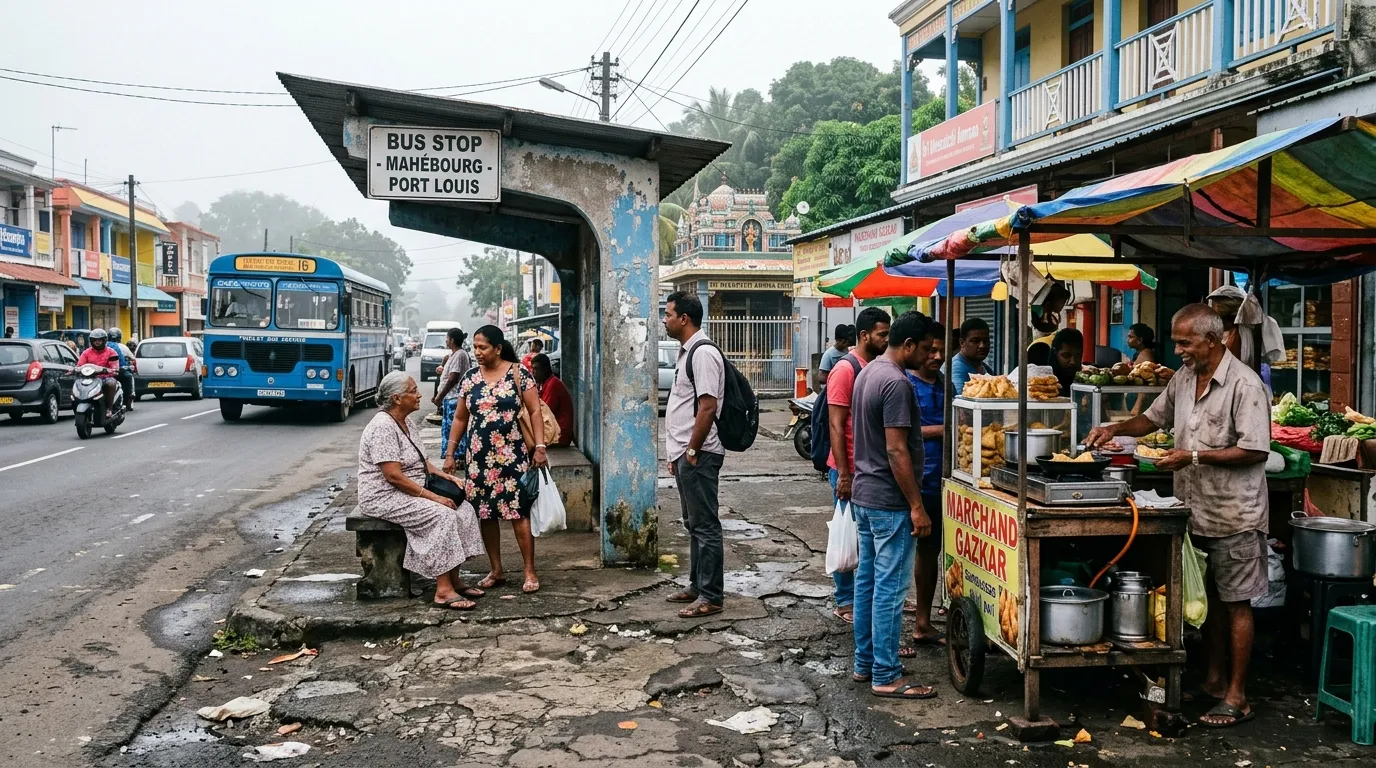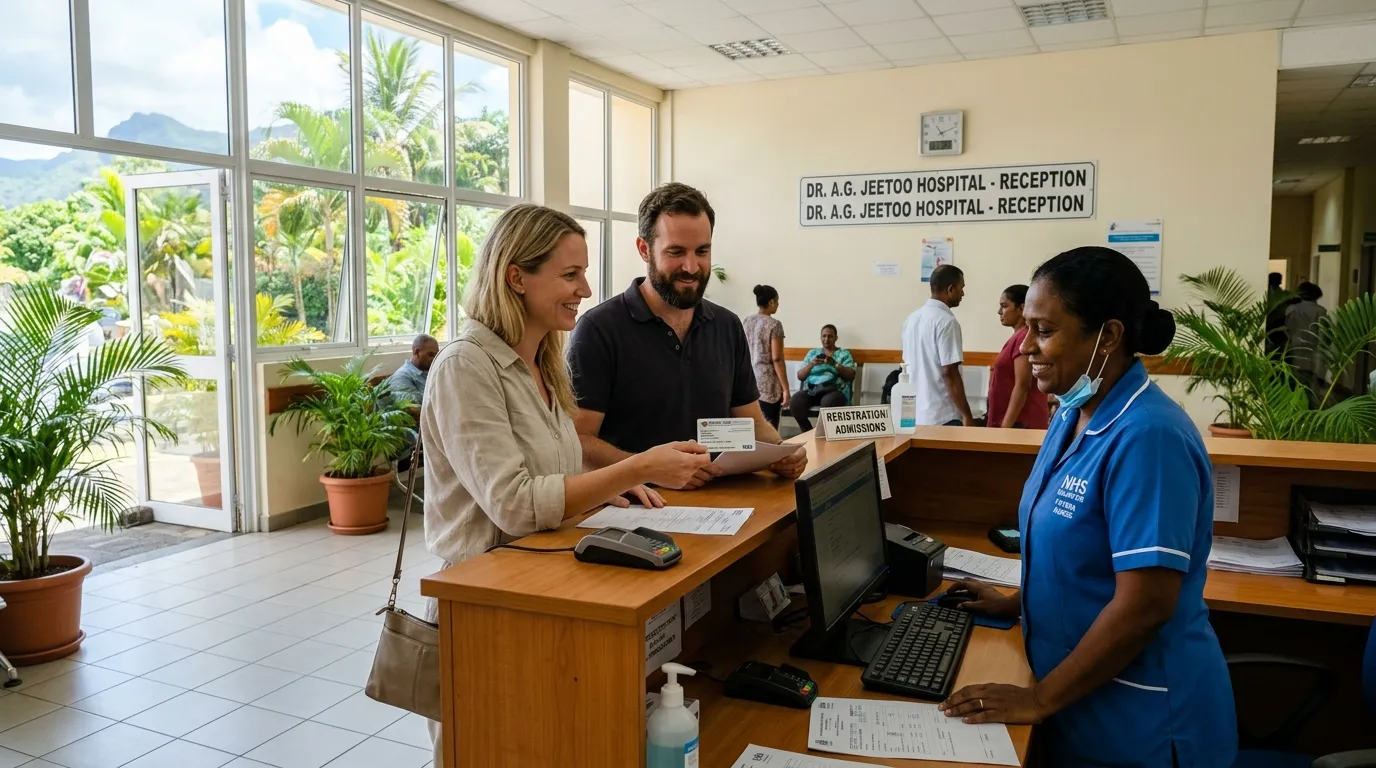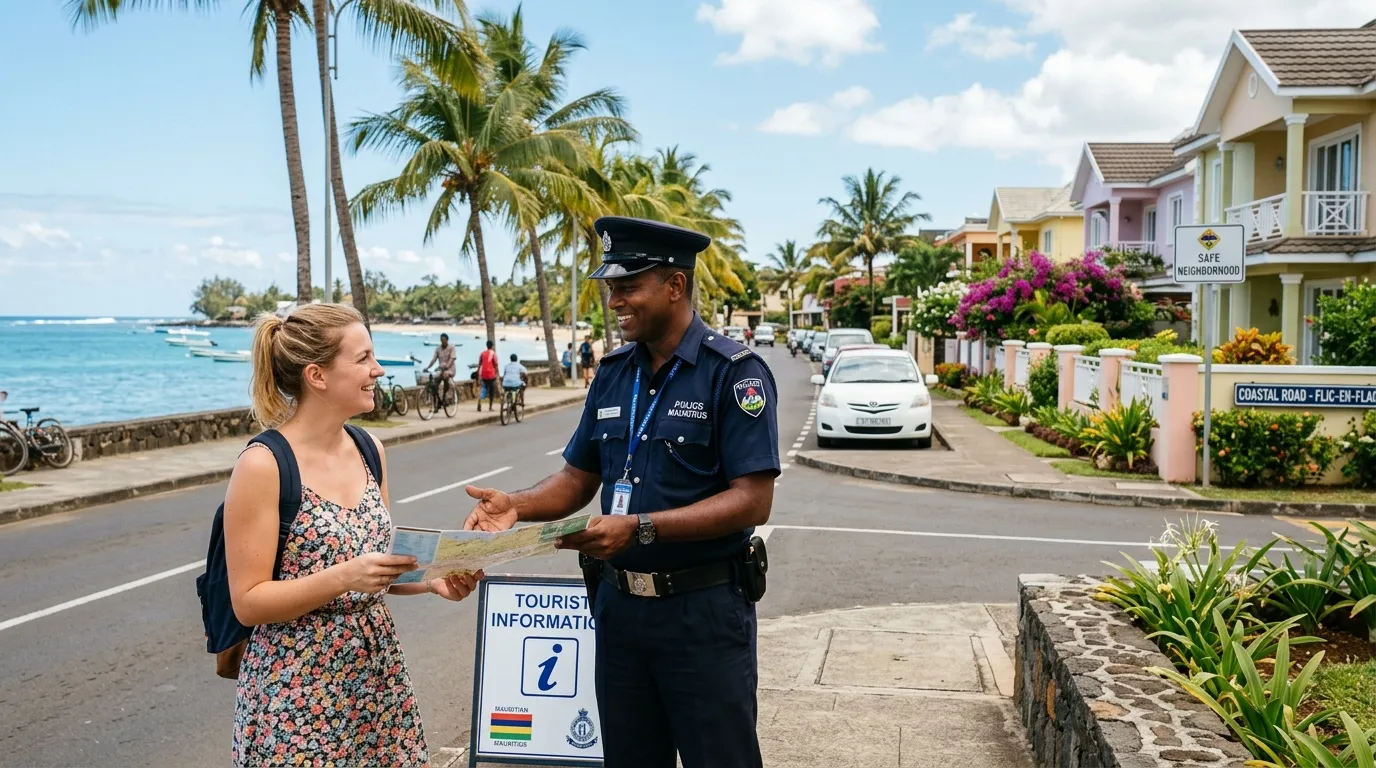
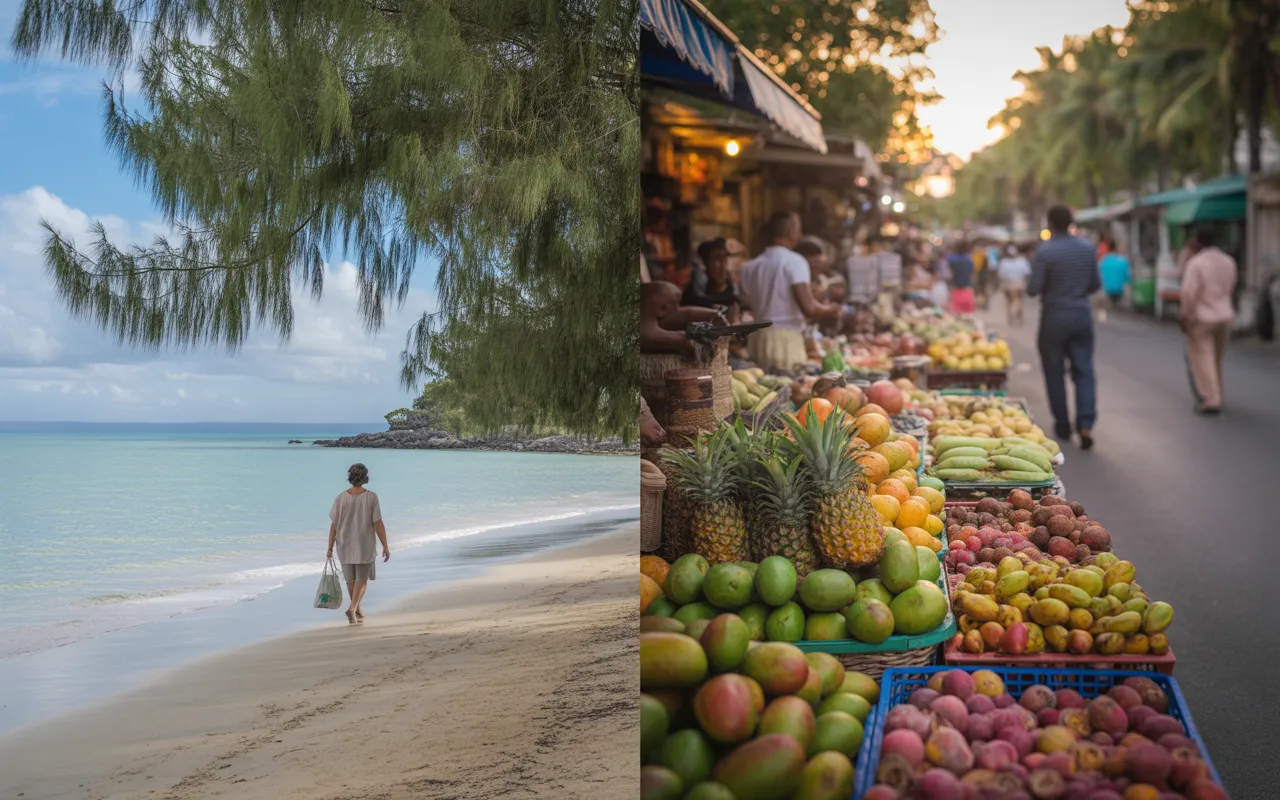
Mauritius is lived every day.
When we talk about daily life in Mauritius, We're not just talking about beaches: we're talking about weather, schedules, transportation, shopping, practical matters, and above all, a different pace of life (often for the better) when you arrive from abroad. In this article, you'll find concrete guidelines, mistakes to avoid, and local tips to help you integrate quickly, whether you're coming with family, as a couple, or to start a business.
To put things in perspective: the population of the Republic of Mauritius was 1,259,509 inhabitants as of July 1, 2024 (official data) — a “human-sized country” format that strongly influences conviviality, networking, and the way of doing things on a daily basis.
Understanding the Mauritian pace of life (and adapting to it quickly)
The relationship with time: more fluid, but no less effective
In Mauritius, people appreciate a simpler, more relational way of life: they greet each other, chat, and take a few minutes to connect. In many departments, the quality of the relationship is as important as the procedure. This doesn't mean that "nothing gets done," but rather that it's necessary to... allow a little extra in your planning, especially at the beginning (bank, insurance, housing search, etc.).
Organizational side: Mauritius is in UTC+4 all year round (no time change), a practical detail for scheduling international meetings and planning your administrative procedures.
Climate, seasons and microclimates: your daily life depends on your area
The Mauritian climate is tropical maritime, with two main seasons :
- Southern summer hot and humid, generally from November to April.
- Southern Hemisphere winter cooler and drier, generally from June to September (with May and October as transition months).
Useful numerical benchmarks (reference climatological observations):
- Average temperature : approximately 24.7°C in summer and 20.4°C in winter.
- Hottest months: January–February, with average maximums around 29.2°C.
- Coolest months: July–August, with average minimum temperatures around 16.4°C.
- Average annual rainfall (reference 1971–2000) : 2010 mm, with wetter months in February–March.
Key points to remember for everyday life: the center (Central Plateau) is often cooler and more humid; the North and West are often drier and sunnier. Your choice of living area will impact your comfort, your commutes, and even your energy budget (ventilation, air conditioning).
Essential practical information for daily life in Mauritius
Table: Quick reference points (to be saved before your arrival)
| Theme | Namely | Local tip |
|---|---|---|
| Cash | The motto is the Mauritian rupee (MUR). | Plan to have some cash on hand for small purchases (markets, snacks, parking), even though the card is widely used in urban areas. |
| VAT | The rate of VAT (TVA) is 15%. | To compare prices, ask if the displayed price includes VAT (most of the time it does, but it's useful for certain services). |
| Electricity | Standard 230V / 50Hz, taken especially type C And type G. | A “UK (type G)” adapter and an “EU (type C)” adapter cover the majority of cases (handy if you are moving between accommodations/hotels). |
| Time zone | UTC+4, without changing the time. | Very practical for regular procedures: you maintain a stable rhythm all year round. |
| Conduct | On drive left. | Roundabouts require a period of adjustment: make a few simple journeys at the beginning (local shopping, off-peak hours). |
| Public holidays | They are announced every year (some vary according to religious holidays). | Before scheduling a “key” appointment (bank, notary, government offices), check the up-to-date calendar. |
Useful (external) sources to consult: the VAT on the website of the Mauritius Revenue Authority, climate benchmarks on Mauritius Meteorological Services, the electrical outlet on Electrical Safety First, and official publications on inflation/population via Statistics Mauritius.
Integration tip: In Mauritius, a “hello” + a smile at the beginning of a conversation often saves time… even in administrative procedures.
Finding accommodation and settling in: daily life depends (a lot) on your location
Choose your area according to your lifestyle
There is no single “best” area: it all depends on your job, your schools, and the daily life you want.
- North : lively life, shops, restaurants, outings, areas popular with expats.
- West : often drier, sunsets, beach/nature activities.
- East : more residential and family atmosphere, some areas more ventilated.
- Center (Central Plateau) : cooler, convenient if you are looking for a more temperate climate and central road access.
Your “quality of life” often hinges on 3 points: travel time, microclimate And proximity to services (supermarkets, schools, doctors, gyms, etc.).
Installation: what you need to secure quickly
For a smooth installation, prioritize these steps:
- A dwelling (even temporarily) in an area consistent with your actual journeys.
- A mobile + data connection (essential: GPS, WhatsApp, procedures, deliveries).
- A bank account (often necessary to automate payments and contracts).
- Health insurance tailored to your situation (family, single, entrepreneur).
Expat Mauritius specifically addresses these topics (housing, schools, banking, insurance, administrative procedures), in addition to... visas and permits and of the’real estate investment. To discover the "turnkey" approach, you can visit the page Living in Mauritius: Expatriation and Real Estate.
Getting around every day: car, bus, journeys and good habits
Driving on the left: rapid adaptation, lasting vigilance
Driving on the left is surprising at first, then quickly becomes automatic. The most common points to be aware of:
- THE roundabouts (pay close attention to the entrance and priority).
- The roads are very busy at certain times (depending on your area).
- Driving at night on certain secondary roads (variable visibility).
Useful reference points: driving guides and speed limits are regularly mentioned in expat resources (e.g. Driving in Mauritius – Expat.com), but always rely on the signs on site and the official information in force.
Do you absolutely need a car?
In practice, a car offers great freedom (shopping, school, beach, appointments). That said, depending on your area, your job, and your lifestyle, some people combine:
- Bus for simple and regular journeys.
- Taxis / Private Hire Vehicles for outings or rainy days.
- Car in the medium term, once your living area has stabilized.
Shopping, food and budget: how to live “locally” without making mistakes
Supermarkets vs. markets: the winning combination
For the daily life in Mauritius, The most effective organization is often a mixed one:
- Supermarkets : everyday products, hygiene, wide variety, card payment.
- Markets : fruits, vegetables, herbs, fish depending on the area, and above all local experience (and often good prices).
One important point to know: prices can fluctuate depending on the season and imports. To maintain a realistic budget, monitor the cost of living using official indicators. For example, inflation “headline” was published at 3.6% for the year 2024 (against 7.0% in 2023) by Statistics Mauritius, which gives an order of magnitude on recent price dynamics.
Eating lunch outside: very convenient, often affordable depending on your habits
Daily life in Mauritius lends itself well to quick meals: snacks, bakeries, small restaurants. A good approach is to identify:
- A trusted snack close to work or home.
- A “family” place for the weekend (parking, quick service).
- One or two “classics” for entertaining loved ones.
Health, school, banking, services: the true “foundations” of everyday life
Health: anticipate before you need it
The basic rule: don't wait for an emergency to structure your plan. From the first month, identify:
- A general practitioner or a nearby clinic.
- A emergency circuit (route, contact, schedule).
- Your blanket (insurance, exclusions, healthcare network).
Depending on your situation (family, business owner, permit), you may sometimes be asked for supporting documents. Assistance avoids unnecessary back-and-forth and speeds up the process.
Schools and family organization: daily life hinges on logistics
With children, quality of life often depends on distance home–school–work. Before signing a long-term lease, check the actual impact of travel during school hours.
For checklists and practical guidelines, consult the resources Expatriation guides – Expat Mauritius.
Culture, social codes and integration: the little things that change everything
Languages in everyday life: you'll get by quickly
You will hear a lot of Mauritian Creole on a daily basis, with French very present (media, commerce) and of the’English common in administration and education. The country is truly multilingual: you can start in French, learn expressions in Creole, and use English depending on the context.
Useful mini-lexicon (Mauritian Creole)
- Hello : Good morning
- Mersi : THANKS
- Ki manyer? : How are you ?
- Mo krwar : I think
- Pa krwar : not sure / I don't think so
- Ki pri? How much is it?
Respect for places and celebrations: a marker of integration
Mauritius is multicultural and multi-religious, with holidays and festivals that can vary from year to year. To plan without stress (appointments, renewals, travel), consult an up-to-date calendar, then cross-check with the official publication when available (the website of the Prime Minister's Office centralizes press releases and information).
Local tips for a simpler daily life in Mauritius (from week 1)
- WhatsApp is your best ally craftsmen, owners, schools, contacts… a lot of things happen through there.
- Prepare a “tropical” kit” : mosquito repellent, breathable clothing, rain protection (especially in the southern summer), and an anti-humidity organization at home.
- Do your shopping early If you like markets: better choice, less waiting.
- Electricity : Have a compatible adapter (type C/G plugs) before arrival to avoid the hassle “from the first charge”.
- Journeys : test your routes at real times (morning/late afternoon) before “validating” an area.
- Budget : follow (official) inflation publications to understand the trend, rather than relying on impressions or undated comparisons.
FAQ – Frequently asked questions about daily life in Mauritius
What budget should I plan for daily life in Mauritius?
The budget depends mainly on three variables: accommodation (area, standard, furnished), transportation (car or not) and lifestyle (local vs. imported, restaurants, schools). Rather than starting with a “magic” figure, a reliable method is to build a budget item by item, then compare it with official trends: for example, Statistics Mauritius published a “headline” inflation figure of 3.6% in 2024 (against 7.0% in 2023), useful for understanding recent price trends.
Do you need a car to live in Mauritius on a daily basis?
It's not mandatory, but it's often a real convenience. If you live close to shops, school, and work, you can start with buses and taxis/ride-hailing services. However, for regular journeys (school, activities, appointments), a car simplifies life, especially in the rain or when making several stops in a row. Also keep in mind that... left-hand drive : many newcomers prefer to wait a few days/weeks before getting behind the wheel, giving themselves time to settle in and understand the roads.
What is the best time to move to Mauritius?
It all depends on your priorities. If you want a milder climate to start with (viewing properties, paperwork, travel), the "southern winter" is often more comfortable. The southern summer (November to April) is hotter and more humid, with more frequent rainfall. Official data indicates a hotter summer (average maximum temperatures around...) 29.2°C in January–February) and a cooler winter (average minimum temperatures around 16.4°C in July–August). The most important thing is to anticipate your living area (microclimates).
How to successfully complete the necessary steps to settle in (bank, housing, insurance) without wasting time?
The key is to follow a logical order: temporary accommodation, mobile/data line, bank account, then insurance and everyday contracts. Problems often arise from incomplete documents or a poorly chosen sequence. To avoid back-and-forth, rely on a clear checklist and, if needed, local support. Expat Mauritius offers comprehensive support (visas/permits, real estate, settling in: accommodation, schools, banking, insurance) with a personalized approach and quick responses. You can start with the expatriation guides to frame your steps.
And now ?
If you wish to move from theory to a smooth relocation, Expat Mauritius can support you throughout the entire process: visas and permits, real estate investment, facilities (housing, schools, banks, insurance) And business creation. To get started, go to Living in Mauritius: turnkey expatriation and real estate and request your free evaluation via the available contact options (phone, WhatsApp, email or online form).