
French will be useful to you every day in Mauritius, but it is not always enough.
If you have just moved (or are preparing to move abroad), understand when to speak French, English or Mauritian Creole It changes everything: procedures, work, school, neighborhood relations, health… In this guide, you will find concrete benchmarks, official figures and practical tips to help you integrate more quickly, with the pragmatic approach of’EXPAT MAURITIUS.
Linguistic overview of Mauritius (what you will hear from day 1)
Mauritian Creole: the language of social connection
In the street, at the market, with neighbors, in a large part of informal exchanges, the Mauritian Creole is omnipresent. The data from Housing and Population Census 2011 (Statistics Mauritius) indicate that in 2011, The most frequently reported language "usually spoken at home" was Creole (1,069,874 people), or 86,5% of the census population (1,236,817).statsmauritius.govmu.org)
In practice: even though many Mauritians easily switch to French, a few words of Creole are an accelerator of integration (and an excellent "icebreaker").
French: very present in everyday life (but not always "official")
THE French is widely used in everyday life, particularly in business transactions, some media, restaurants, real estate, and many interactions in cities (and in expatriate environments). In the 2011 census, French ranked at 51,214 people «usually spoken at home», i.e. 4,1% (This figure does not measure understanding or use at work, but rather primary use at home.)statsmauritius.govmu.org)
Important point: in Mauritius, language use is very contextual. Many residents naturally switch between Creole, French and English depending on the situation (code-switching).
English: essential for documents, contracts and institutions
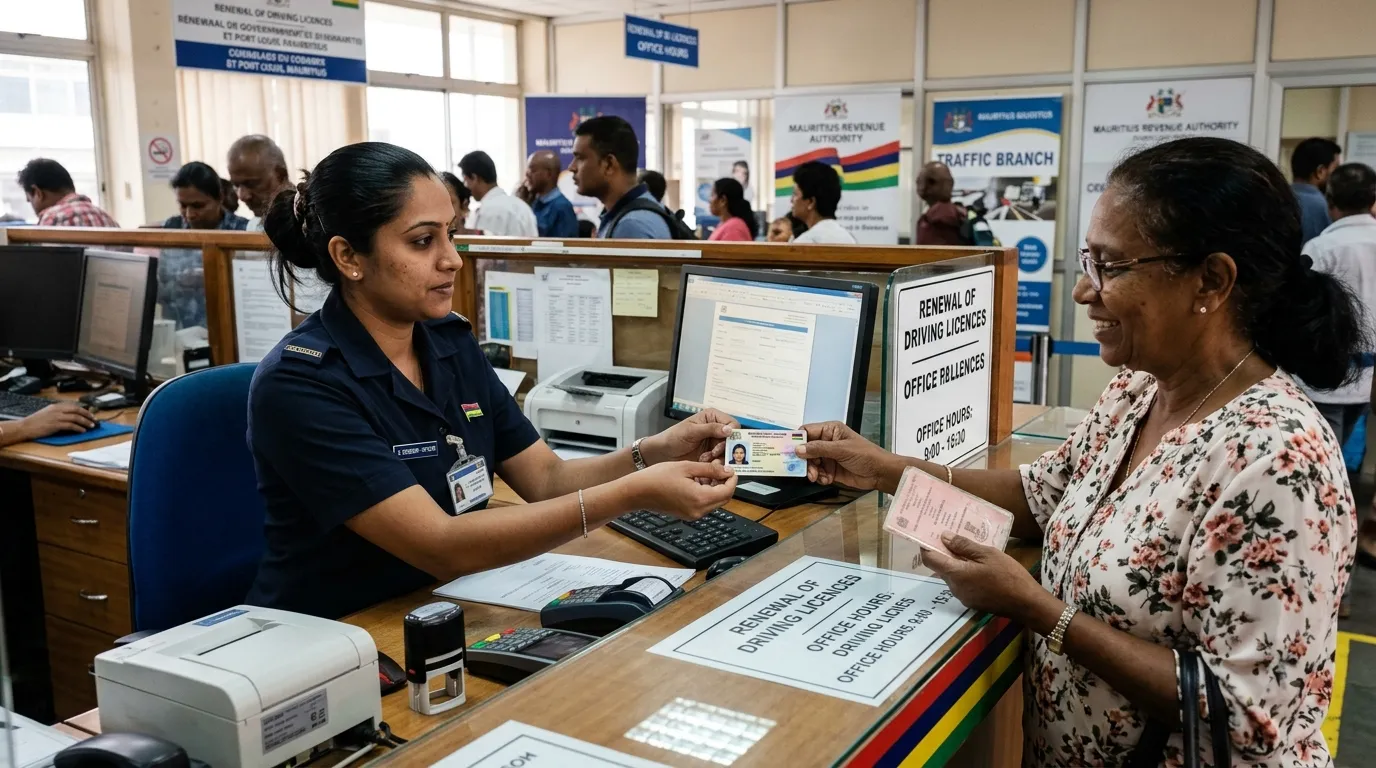
For procedures, forms, certain contracts, and institutional correspondence, the’English is common. The Constitution specifies, for example, that The official language of the Assembly is English., while allowing a member to address the president in French (section 49).wipo.int)
In the 2011 census, English appears at 5,573 people «usually spoken at home» (i.e. 0,45%). Again, this does not reflect the role of English in administration and education, but rather its primary domestic use.statsmauritius.govmu.org)
And what about other languages? Bhojpuri, Asian languages, etc.
The 2011 census also highlights linguistic diversity (Bhojpuri, Hindi, Tamil, Telugu, Urdu, Chinese languages, etc.). For example, the Bhojpuri is declared as the main language at home by 65,289 people, either 5,28%. (statsmauritius.govmu.org)
Is it possible to settle in Mauritius while speaking mainly French?
Yes, in a large part of daily life : housing, simple interactions, outings, shops, everyday services. But for a smooth transition, it is recommended to:
- Understanding administrative English (keywords, supporting documents, contractual clauses).
- Learn the basics of Creole to create connections (neighborhood, artisans, staff, local life).
- Accepting the reality of “practical trilingualism” : you don’t need to be perfect, but you will gain comfort with a minimum in all 3 areas.
Field advice: If you don't understand, simply say so and offer an alternative: "Can we switch to French?", "Can we do this in English?", or "Mo krwar mo krwar… mo pa bien konpran" (I don't quite understand). This avoids misunderstandings, especially on administrative matters.
Daily life: which language to use depending on the situation?
To avoid hesitation, consider the context. You can certainly start in French, then switch if necessary.
Practical guide: “Which language, where, and why?”
| Situation | Most efficient language | For what | Useful (simple) phrase |
|---|---|---|---|
| Procedures, forms, contracts | English (often) + clarification in French | Many legal documents and terms are in English. | “Could you explain this clause?” |
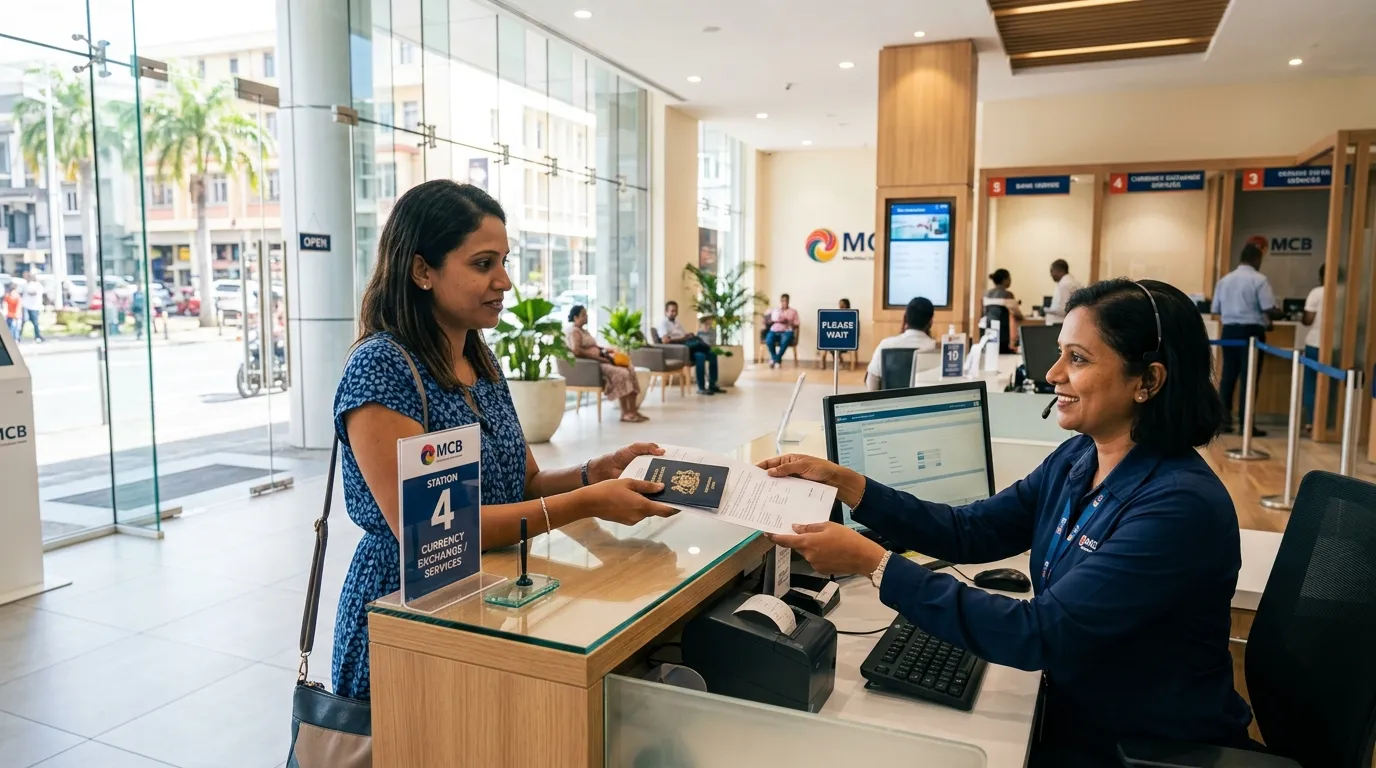
| Real estate, viewings, everyday exchanges | French / English (depending on the person you are speaking to) | French is very common in the service industry and among expatriates. | “Can we conduct the inventory in French?” |
| Market, artisans, neighborhood | Creole + French | Creole creates a sense of closeness and facilitates cooperation. | “Ki pri sa?” (How much is it?) |
| School / schooling / educational communication | English + French | You will encounter both, depending on the establishments and documents. | “Do you have this in writing?” |
| Health (consultations) | French or English | Many practitioners adapt to your language. | “I prefer to explain in French, if possible.” |
Integrate faster: 10 language reflexes that work (without becoming bilingual in 3 weeks)
- Start in French, then ask the other person's preferred language ("Do you prefer French or English?").
- Confirm in writing as soon as there is an obligation (summary email/WhatsApp), especially if you have switched between languages.
- Identify the administrative keywords in English (proof of address, certified copy, appointment, processing time…).
- Adopt the “slow French” Short sentences, simple vocabulary, one piece of information at a time.
- Avoid slang (French or English) at the beginning: high risk of misunderstanding.
- Learn 15 phrases in Creole (see the mini-list below): immediate effect on interactions.
- Request a reformulation rather than pretending to understand (“Could you rephrase?”).
- Have the figures confirmed (dates, amounts, deadlines): “So it's 10,000 rupees, correct?”
- Use WhatsApp voice chat if your writing is hesitant (and ask for a text confirmation in return).
- Create your own personal glossary (banking, insurance, housing, education) and enrich it every week.
Mini-guide: basic phrases in Mauritian Creole (useful everywhere)
You don't need perfect Creole. The goal is to show effort and to obtain a smoother response.
- Good morning / Good evening Hello / Good evening
- Mersi : THANKS
- Please : Please
- Ki pri sa? How much is it?
- I didn't quite understand I don't quite understand.
- Kapav repeat, please? Can you repeat that?
- Mo krwar… : I think that…
- Ki ler? : What time ?
- Kot…? : Or… ?
Tip: Start by saying the sentence in Creole, then in French. You'll be understood and you'll learn in context.
Learning (or improving) French and English in Mauritius: simple options
Courses and certifications: recognized local solutions
If you wish to structure your progress, the’Alliance Française of Mauritius indicates offering French courses for adults, adapted to different levels, and exams/assessments (e.g., TEF).afmaurice.org)
Regarding schooling, the Ministry of Education presents the DELF Scolaire like an official French language diploma, available in Mauritius (in an educational setting).education.govmu.org)
A realistic “30-day” plan for a newcomer
- Week 1: Survival vocabulary (housing, shopping, travel) + 5 Creole phrases.
- Week 2: Administrative English (documents, appointments, emails) + 5 Creole phrases.
- Week 3: Listening comprehension (radio/podcasts/TV) + reformulation exercises.
- Week 4: Real-life situations (banking, insurance, school) + finalized personal glossary.
If you are looking for more general guidance on settling in, you can also consult the expatriation guides (housing, procedures, practical life) offered by EXPAT MAURITIUS.
French language skills during your relocation process: what you need to anticipate
The sensitive point is not everyday conversation: it's the documents. To avoid mistakes (and backtracking), prepare:
- a list of your key documents (passport, deeds, supporting documents),
- a filing routine (clearly named PDFs),
- a reflex: Review the important clauses in English (or have them explained), then confirm in writing.
At this stage, the main advantage of working with local support is to streamline logistics and to know "who to contact, when, and with what documents".
How EXPAT MAURITIUS can help you (without promising the impossible)
EXPAT MAURITIUS is a company that provides support for expatriation to Mauritius: visas and permits, real estate investment, settling in (housing, schools, banking, insurance) and business creation. The team emphasizes a local expertise, A personalized support and comprehensive support from Mauritius (Azuri Village), with a free evaluation and possible contact via telephone, WhatsApp, email or online form.
In practical terms, if you are a French speaker, the goal is to minimize the linguistic "noise" surrounding the process: you can focus your energy on your new life while the administrative tasks and key steps are structured with your help. For an overview, you can consult the page Living in Mauritius: turnkey expatriation and real estate, then return to this language guide to optimize your integration.
Useful numerical benchmarks (and limitations of numbers)
To understand the linguistic environment, the available official figures come in particular from the 2011 census. To date, this is solid data, but they do not directly measure the level of bilingualism (Many people speak several languages without it appearing as their main language at home). However, these orders of magnitude remain very useful for preparation.
- Creole “spoken at home”: 86,5% (2011). (statsmauritius.govmu.org)
- Bhojpuri “spoken at home”: 5,28% (2011). (statsmauritius.govmu.org)
- French “spoken at home”: 4,14% (2011). (statsmauritius.govmu.org)
- English “spoken at home”: 0,45% (2011). (statsmauritius.govmu.org)
- Literacy rate: 90% (2011, census highlights). (statsmauritius.govmu.org)
FAQ – Languages, integration and installation with EXPAT MAURITIUS
Do I need to speak English to settle in Mauritius with EXPAT MAURITIUS?
It's not mandatory to speak French to begin your daily life, as it's often understood and used in many situations. However, English quickly becomes essential when dealing with documents, forms, and contractual terms. The most effective approach is to start in French, then secure sensitive points (amounts, dates, clauses) in plain English, with written confirmation. EXPAT MAURITIUS can help you structure your relocation and minimize the risk of misunderstandings during administrative procedures.
Is French sufficient for the procedures (visa, permits, contracts)?
For many exchanges, yes, but for documents, you should expect to see English. The Constitution, for example, regulates the use of English in the Assembly (with the possibility of speaking in French), which reflects the importance of English in the institutions.wipo.intThe best approach: ask for an explanation in French if needed, then keep a written record (email/WhatsApp) confirming the information. This method reduces errors, especially during a first installation.
Do I need to learn Mauritian Creole if I already speak French?
You can live without speaking it fluently, but learning a few basics changes the quality of your interactions: neighbors, artisans, the market, local life. The 2011 census placed Creole far ahead as the language declared at home, which confirms its central role in social cohesion.statsmauritius.govmu.orgEven 10 to 20 sentences are enough to show respect and facilitate communication. Think "efficiency" rather than perfection: greet, thank, ask for a price, ask for repetition.
What are the best places to take French lessons in Mauritius?
If you would like a structured solution, the Alliance Française of Mauritius offers French courses for adults (all levels) and assessment/exam options.afmaurice.orgTo choose the right course, first define your objective: improve your spoken language for everyday life, prepare for a test, or gain confidence in your professional life. Then, set a realistic pace (1–2 lessons per week + practice in real-life situations). In addition, daily listening (media, conversations, podcasts) greatly accelerates progress.
Does EXPAT MAURITIUS offer language support?
EXPAT MAURITIUS specializes in expatriation support (permits, real estate, settling in, business creation) and not in language teaching. However, the team can help make your arrival smoother by assisting you in structuring the process, anticipating necessary documents, and avoiding common misunderstandings related to administrative or contractual vocabulary. For optimal language learning, the ideal approach is to combine a simple plan (business English + basic Creole) with, if desired, a local course structure.
And now ?
If your priority is to settle in without stress (and to avoid wasting time on the process), start by discovering the support offered by’EXPAT MAURITIUS, Then, explore helpful resources on turnkey expatriation packages and expatriation guides. Next, apply the language plan from this article: French to get started, English to secure documents, and some basic Creole to build connections—the most effective trio for a successful integration in Mauritius.