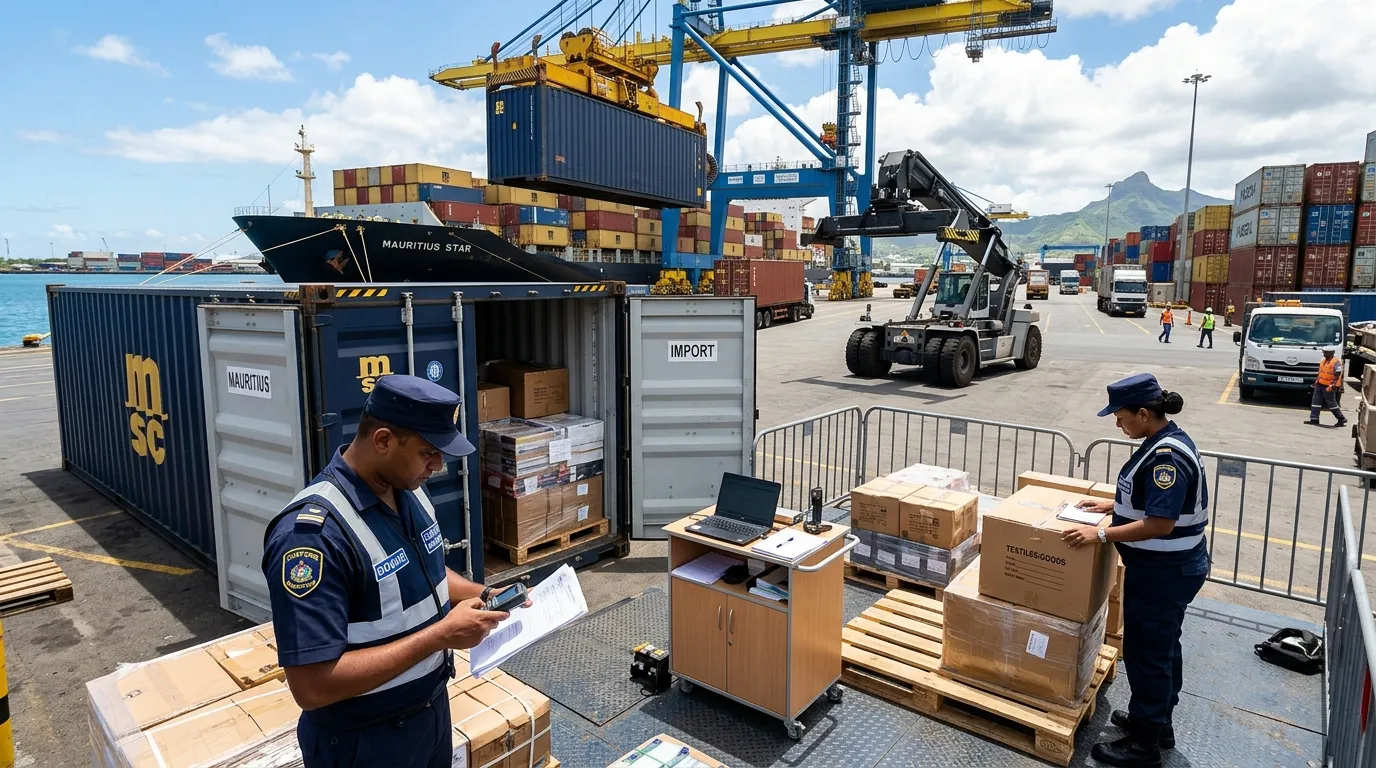
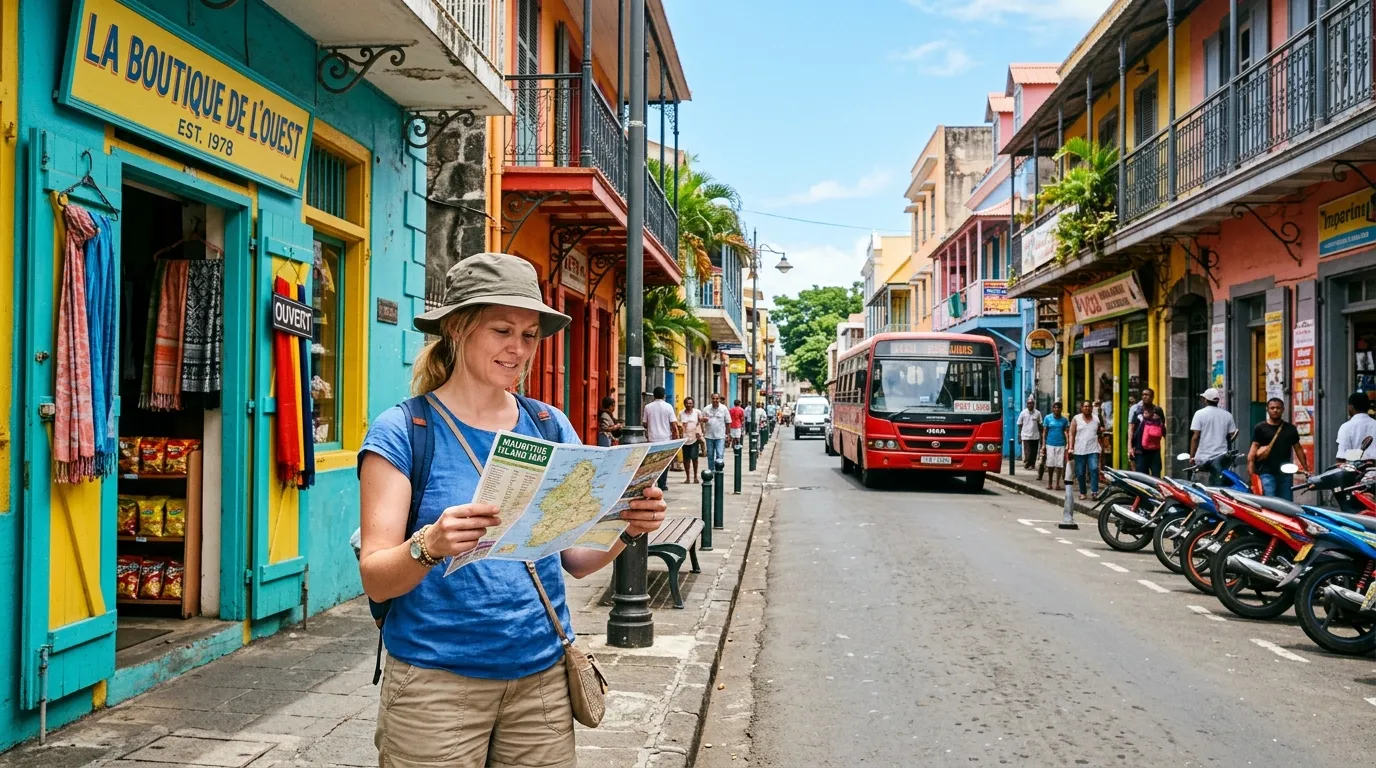
Security preparations are underway in Mauritius.
The best approach is simple: enjoy the island, but remain cautious in tourist areas, after nightfall, and during cyclone season. US authorities have placed Mauritius at level 2 of their crime risk alert, and the British Foreign Office reports a high risk of opportunistic theft, particularly in tourist areas and poorly lit zones.
Is Mauritius a safe destination?
Public figures for 2024 show a decrease in the overall rate of non-contravention offenses, from 46.6 to 42.8 per 1,000 inhabitants, as well as a decrease in the theft rate, from 11.5 to 8.6 per 1,000 inhabitants. In other words, the risk is not absent, but it remains primarily opportunistic and highly dependent on location, time of day, and traveler behavior.statsmauritius.govmu.org)
To put these figures into a useful context, it's better to monitor risky situations than to seek out "no-go zones." This is the approach adopted by the official travel advice for Mauritius.
Neighborhoods and situations where increased vigilance is required
| Area or context | Why caution is increasing | Good reflex |
|---|---|---|
| Backstreets of Port Louis at night | Poorly lit areas and nighttime walking are flagged by the authorities. | Opt for a reserved route and keep your belongings close to you. |
| Grand Baie and Flic en Flac | Petty theft is more common in busy tourist areas. | Keep bags and phones under surveillance and avoid displaying your valuables. |
| Isolated beaches and poorly lit streets | Opportunistic thefts and certain reported incidents mainly concern these contexts. | Do not walk alone after nightfall. |
| Secondary roads and night journeys | The roads can be narrow, uneven, and poorly lit. | Drive during the day whenever possible and book taxis in advance in the evening. |
These guidelines summarize the advice of the British Foreign Office and of the’US travel advice for Mauritius Port-Louis after nightfall, busy tourist areas, isolated beaches and poorly lit areas require more attention.
The main risks to be aware of on site
Petty thefts, stolen bags and opportunistic burglaries
British travel advisories mainly describe burglaries of tourist villas, thefts of unattended bags, and petty theft in areas such as Port Louis, Grand Baie, and Flic en Flac. The same advisory also mentions cases of sexual assault reported by tourists, justifying vigilance when traveling alone, especially in the evening.
Unregistered accommodations and overly vague rental information
The best approach is to book accommodation registered with the Tourism Authority and to be wary of overly vague offers for short-term rentals. The Tourism Authority reminds guests that accommodations rented for less than 12 months must have a valid license, and the Tourism Police work with them to inspect establishments.
Night driving and secondary journeys
The US travel advisory for Mauritius warns that roads can be narrow, uneven, and poorly lit, with nighttime driving being more hazardous on rural roads. It also recommends booking taxis in advance, especially in the evening, while buses and the metro remain common daytime options.
Also prepare the practical aspects of the stay
If you are planning a long stay, the practical guides for expatriation to Mauritius help to organize accommodation, budget and transport from the moment of arrival, which also reduces risky improvised situations.
Practical tips for staying calm in Mauritius
- Choose accommodation registered with the Tourism Authority, as the Mauritian authorities insist on the validity of the license for short-term tourist rentals.
- Use the hotel or accommodation safe for your passport and sensitive documents, and do not leave your valuables visible in the room.
- Avoid walking alone at night on beaches, in poorly lit streets and in back alleys of business districts.
- Book taxis in advance for nighttime travel, especially if you are not yet familiar with the island.
- Do not leave your phone, bag, or wallet unattended in a restaurant, on the beach, or in a parked car.
- If you are renting a car, drive during the day at the beginning of your stay to get used to the roads, driving on the left, and local customs.
- Keep an eye on weather forecasts if you are travelling between November and May, the period when the risk of cyclones is highest.
Natural hazards: cyclones, rain and sea
The cyclone season generally runs from November to May, peaking between January and March; it can bring heavy rainfall, strong winds, storm surges, and flash flooding. The Mauritius Meteorological Services issues bulletins and the alert scale, while the National Risk Management Centre publishes official guidelines.
In case of an alert, prepare a small emergency kit, stay indoors, and do not go outside until the official all-clear signal. Public health guidelines recommend, among other things, a radio, a flashlight, water, basic food supplies, and a first-aid kit.ndrmc.govmu.org)
In hilly areas, heavy rain can also cause landslides, making road travel more vulnerable during severe weather events.
What to do in case of theft or assault?
The priority is to reach a safe place, alert the Tourist Police, and immediately notify your accommodation. The Tourist Police's mission is to ensure the safety of visitors and to assist in handling complaints in conjunction with other police services; British authorities also recommend keeping your passport and important documents in a safe place.police.govmu.org)
If a payment method has disappeared, take immediate steps to block it and document the circumstances while the event is still fresh in your mind. The faster you act, the easier it is to limit the material and administrative consequences.
FAQs about safety in Mauritius
Which areas should be avoided in Port Louis and under what conditions can Mauritius be travelled safely?
In Port Louis, the main area of concern is the backstreets of the business district after nightfall, as well as poorly lit areas. British authorities recommend avoiding walking alone on the beaches or in dark areas, and American advisories remind people that booking a taxi in advance is safer in the evening. During the day, Port Louis remains safe if you keep a close eye on your belongings and limit impromptu outings.
Which areas of Mauritius pose a higher risk to tourists and how can they protect themselves?
There are no neighborhoods that should be completely avoided, but some areas are more sensitive: Port Louis at night, isolated beaches, deserted parking lots, and busy tourist areas where pickpocketing is more common. To protect yourself, keep your bags and phones under surveillance, avoid displaying valuables in your car, and return home before dark if you are alone. The idea is not to avoid going out altogether, but to choose the right time and the right routes.
What practical safety advice should be followed during a stay in Mauritius (hotels, bags, travel)?
Choose accommodation registered with the Tourism Authority, use the safe for passports, and do not agree to keep large sums of money visible. The Foreign Office also advises booking taxis in advance, especially in the evening, and not walking alone on beaches or in poorly lit areas. To prepare for a long stay, the practical guides for expatriation to Mauritius can help to anticipate housing and travel.
What are the main natural hazards in Mauritius and how to prepare in case of cyclone alerts or severe weather?
The main natural risk is cyclones: the season generally extends from November to May, with intense rainfall, strong winds, storm surges, and sometimes landslides in hilly areas. Mauritian authorities advise people to follow official bulletins, prepare an emergency kit, and remain indoors until the all-clear signal is given. In practice, also keep water, a flashlight, and a portable charger readily available.
How should you react in case of assault or theft in Mauritius and what preventative measures should you take?
First, ensure your safety, then report the incident to the Tourist Police and your accommodation provider. Keep any relevant evidence, block payment methods if necessary, and document the circumstances while the incident is still fresh in your mind. The Tourist Police exist specifically for visitor safety and to coordinate with local services, which facilitates the follow-up of a complaint or case.
And now ?
If you are planning a long stay, relocation, or investment in Mauritius, you can start with the Expat Mauritius website to frame your project, then check the legal notices If you would like to know the website publisher and its framework, the objective is simple: to move forward with a clear vision of the land, housing, and transportation.